Timber and wood-product shipments need more than a freight rate. Product dimensions, moisture sensitivity, production readiness, packing method, container utilisation and destination requirements can all affect whether the cargo is accepted and delivered as planned.
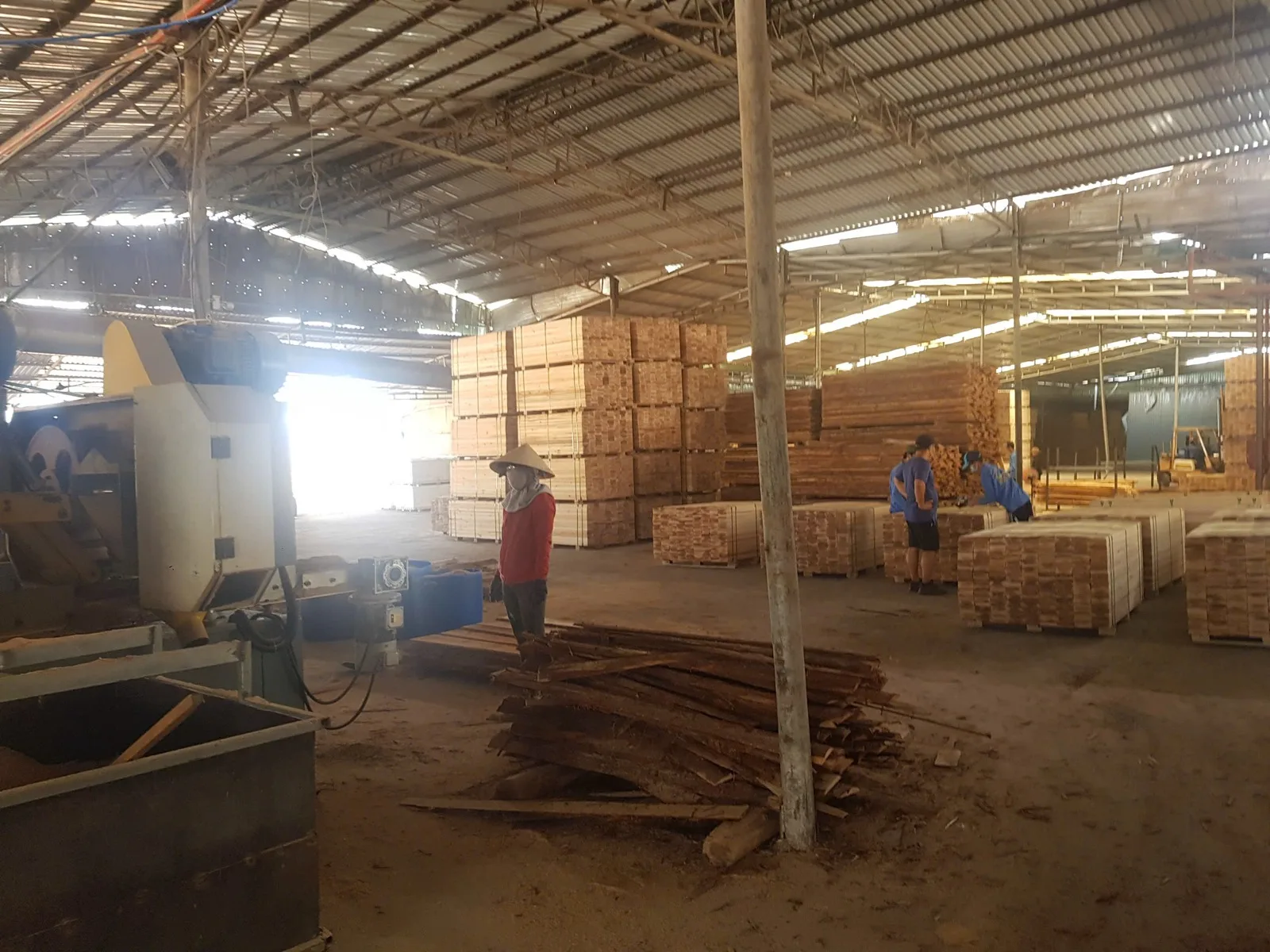
This timber export logistics case shows why the logistics process should begin at the factory. The workflow connects a production-site survey, cargo readiness checks, packaging review, consolidation and export planning. Supplier and buyer details are withheld.
Why timber logistics should start before booking
A vessel booking is only useful when the cargo, documents and factory loading plan can meet the same timeline. For timber and wood products, early coordination helps answer practical questions:
- Is the finished quantity ready, and is it separated by specification?
- Do bundle dimensions and weights match the packing list?
- Is the material sufficiently protected for storage and transport?
- Can the factory load the planned container type safely?
- Are species, origin and product descriptions consistent across documents?
- Does the destination impose specific treatment, marking, inspection or import requirements?
Requirements vary by commodity and destination. They should be checked for the actual shipment instead of copied from a previous order.
End-to-end logistics workflow for timber exports
1. Survey production and storage conditions
The survey records the product form, manufacturing status, storage arrangement, access for trucks and containers, loading resources and the expected completion date. It also identifies whether different sizes, grades or purchase orders are clearly separated.
2. Check cargo readiness and bundle consistency
Bundle quantities, dimensions, weights and labels should correspond with the commercial and packing documents. Early checks reduce the risk of last-minute document amendments or inefficient container loading.
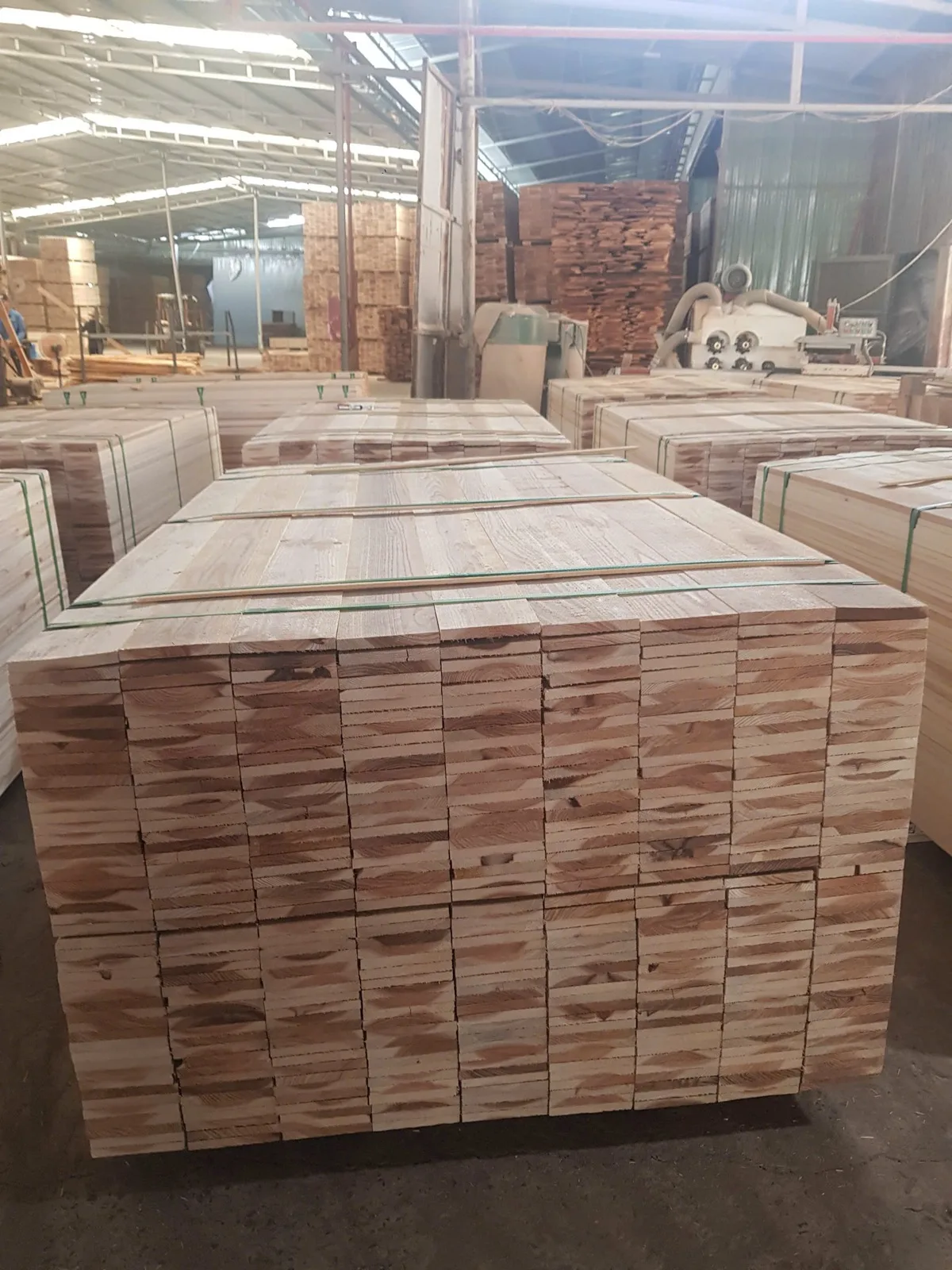
3. Review packaging and moisture exposure
The packing method should protect the product during factory storage, loading, inland transport and the international leg. The team considers strapping, corner protection, wrapping, pallet or bearer condition, ventilation and weather exposure according to the product.
4. Plan consolidation and container utilisation
Uniform bundles are easier to count, handle and load. A loading plan uses real bundle dimensions and weight distribution to improve container utilisation without compromising safe handling or cargo condition.
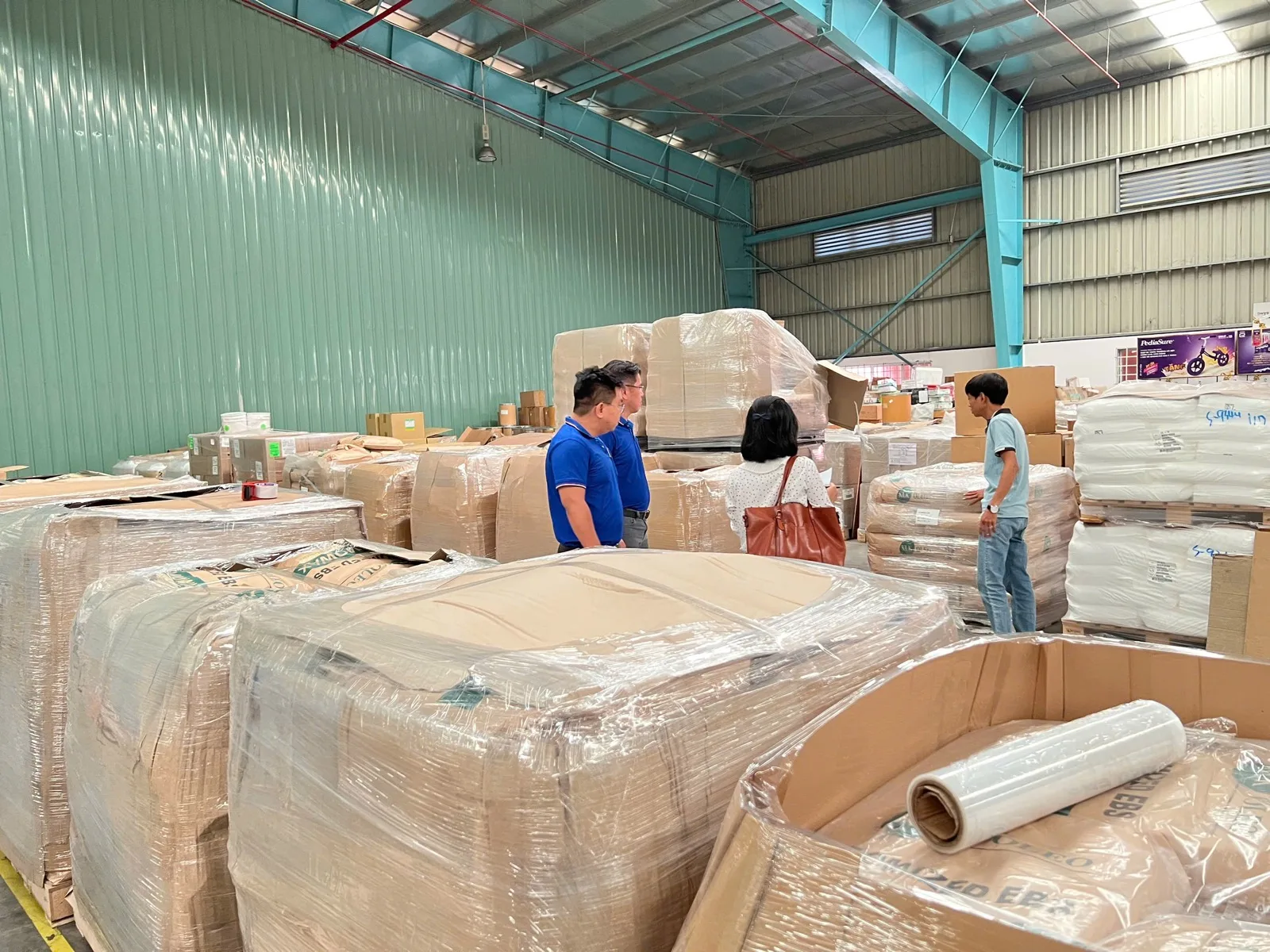
5. Align documents, customs and booking milestones
Invoice, packing list, contract, product description and supporting documents should use consistent information. Depending on the timber species, product and destination, the shipment may require additional origin, treatment, inspection or permit documents. These items need shipment-specific review.
6. Coordinate factory loading and export handover
The booking window, container release, truck appointment, factory loading time, customs steps and terminal cut-off are placed on one timeline. This gives the factory and buyer a clearer view of what must be ready and when.
Information needed for a timber-logistics quotation
- product and timber species description;
- finished or semi-finished product form;
- bundle quantity, dimensions, gross weight and photos;
- factory address and container-access conditions;
- expected cargo-ready date and loading capacity;
- origin and destination ports or delivery address;
- Incoterms and requested logistics scope;
- available origin, treatment, inspection and commercial documents.
Frequently asked questions
Can freight be booked before production is complete?
Yes, but the cargo-ready date and factory capacity must be credible. The booking should include enough operational margin for packing, documentation, container loading and terminal cut-off.
Does every timber export shipment require the same documents?
No. Requirements depend on species, processing level, origin, destination and buyer conditions. The exact document set should be reviewed before booking and customs declaration.
Can SeaAir inspect the factory before preparing a solution?
An on-site or remote survey can be arranged when needed. It helps clarify cargo, access, loading and document conditions before the transport plan is confirmed. Explore SeaAir Global's supply-chain consulting service, sea freight service, or send your shipment details.
Challenge
Production readiness, bundle consistency, packaging, container access, documents and booking milestones needed to be aligned before export.
SeaAir solution
SeaAir connected the factory survey, cargo-readiness review, packaging checks, consolidation planning and export timeline in one workflow.
Result
The stakeholders gained a clearer cargo-readiness and shipment plan before committing to the export handover.