Oversized industrial equipment creates a chain of connected engineering and logistics decisions. The cargo dimensions affect the crane, rigging, trailer configuration, route, loading window and port handover. A reliable oversized and heavy cargo transport plan must therefore be built as one operation rather than a collection of separate bookings.
This case follows the movement of large industrial structures from the working site through lifting, trailer loading, inland transport and port-side handling. Commercial details are anonymised.
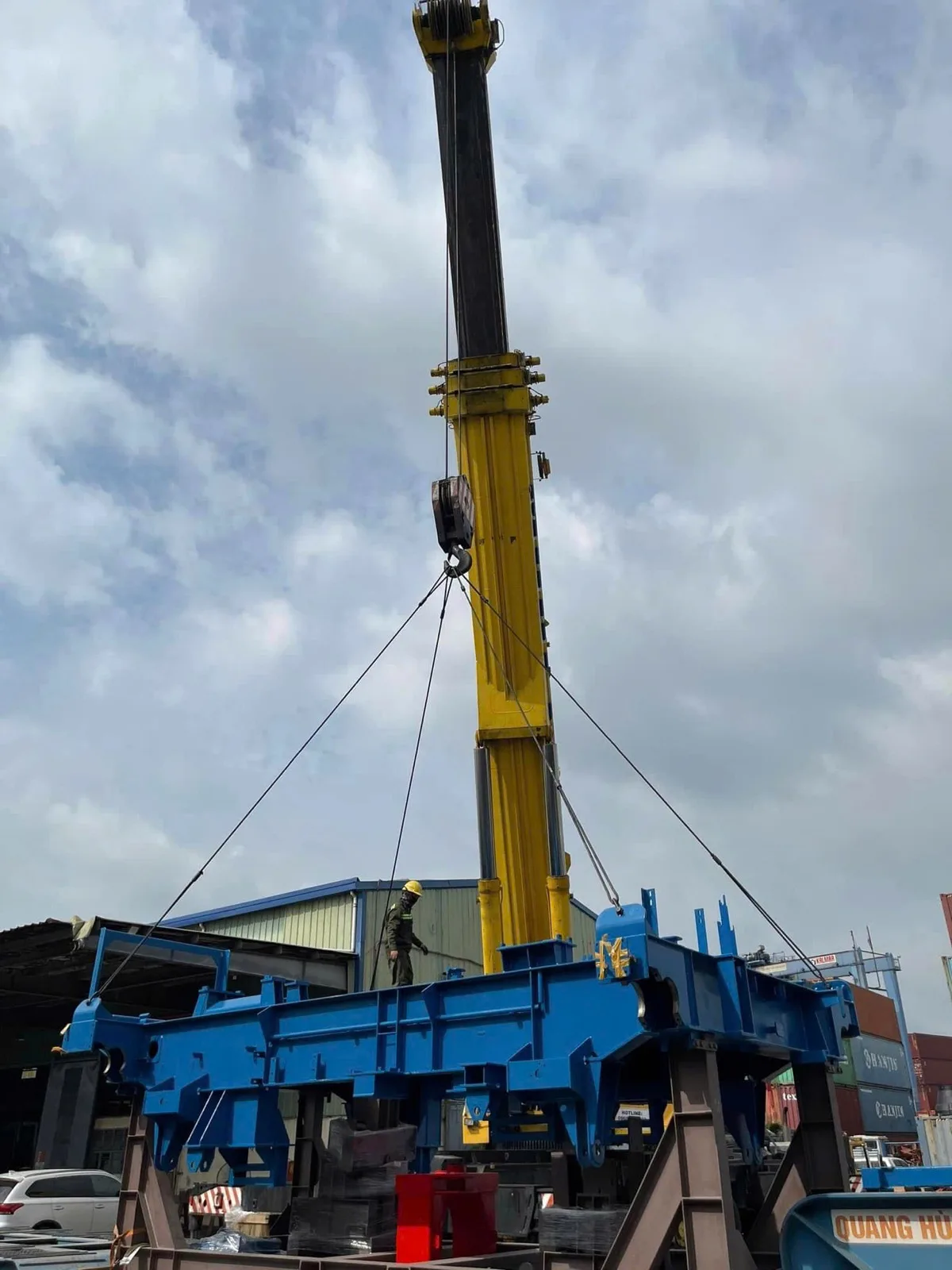
What makes oversized machinery transport different?
Standard cargo normally fits established vehicle, container and handling limits. Project cargo may require a dedicated lifting study, special trailer, route review, timed site access and close coordination among the shipper, crane team, haulier, terminal and carrier.
The most important risks are often found at the interfaces:
- the crane arrives before the lifting area is ready;
- rigging points do not match the approved lifting arrangement;
- cargo dimensions do not match the trailer or terminal entry conditions;
- lashing is designed for the truck but not the next transport leg;
- document, vehicle or port schedules are not aligned.
A coordinated project-cargo workflow
1. Confirm cargo data and handling points
The operations team checks dimensions, gross weight, centre of gravity, lifting lugs, support points and drawings where available. Photos and a site survey help verify that the data matches the actual cargo and working area.
2. Prepare the lifting and rigging arrangement
Crane capacity is only one part of the decision. Working radius, ground condition, sling angles, spreader requirements, clearance and exclusion zones must also fit the lift. Roles and communication signals should be clear before the operation starts.
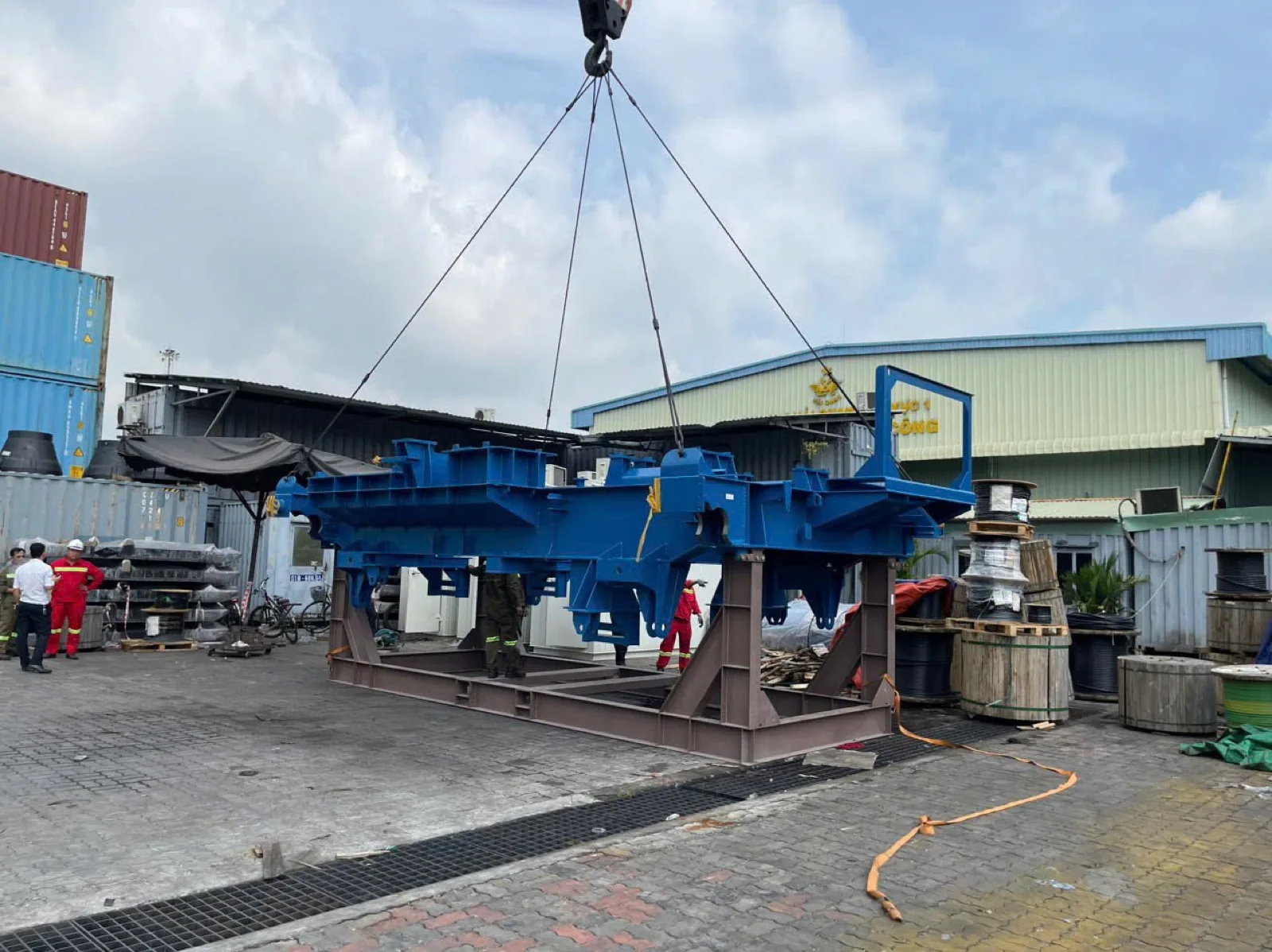
3. Select the trailer and load distribution
Trailer selection follows the actual cargo footprint and load distribution. The plan considers support locations, deck height, turning needs, lashing points and the requirements of the route and receiving facility.
4. Review the inland route and operating window
Road width, height restrictions, turning space, bridges, gates, traffic windows and temporary obstacles can affect the movement. Any permits or escort measures should be confirmed according to the final vehicle, cargo and route.
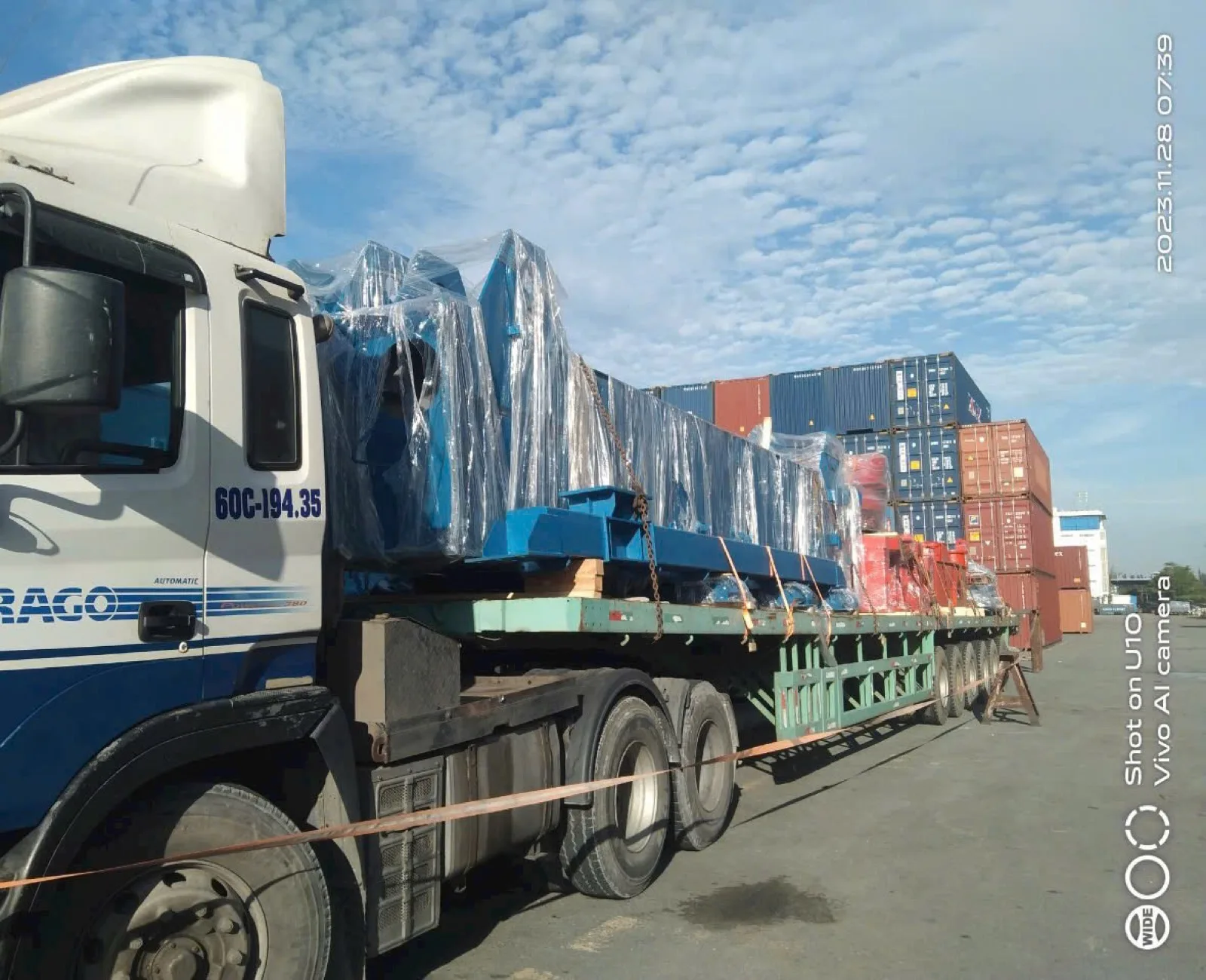
5. Secure the cargo for the journey
Blocking, bracing, chains and tensioning arrangements are selected to control movement without damaging the equipment. The securement plan is checked again after loading and before departure.
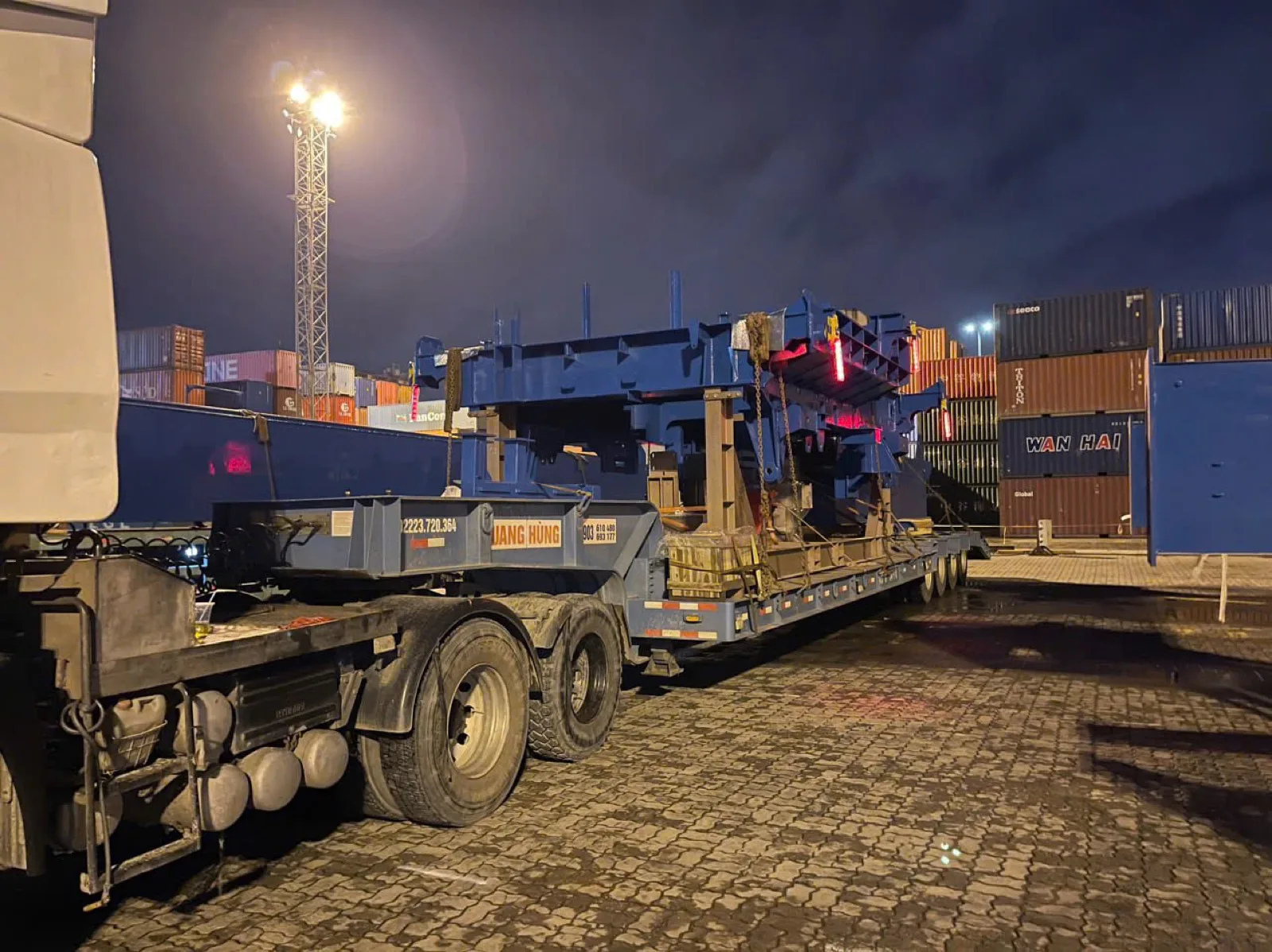
6. Coordinate port and international transport handover
Arrival time, terminal access, crane or handling resources, shipping documents and the onward transport plan need one shared timeline. This reduces waiting and avoids discovering an incompatibility only after the cargo reaches the port.
Information needed for a project-cargo quotation
- cargo description, quantity, dimensions and weight of each piece;
- drawings, lifting points, centre of gravity and support requirements;
- pickup and delivery addresses with site photos;
- preferred movement dates and operational restrictions;
- proposed transport mode and destination;
- required packing, preservation or weather protection;
- any existing crane, trailer, port or carrier requirements.
Frequently asked questions
Is every large machine legally classified as oversized or heavy cargo?
Not necessarily. The classification depends on the final cargo and vehicle dimensions, weight, route and current regulations. Exact measurements should be reviewed before confirming the operating plan.
Why is a site survey important?
Documents may not show narrow gates, soft ground, overhead obstacles, limited turning space or changes made after the drawings were issued. A survey connects the engineering plan to real site conditions.
Can one provider coordinate crane, trailer and sea freight?
Yes. A single control plan can align lifting, inland transport, port handling, documentation and international freight. Learn more about SeaAir Global's project cargo and heavy-lift service or request a tailored quotation.
Challenge
Large industrial structures required aligned lifting, load distribution, specialised trailer movement and port handover under one operating timeline.
SeaAir solution
SeaAir coordinated cargo-data review, lifting and rigging, trailer selection, route considerations, cargo securement and port-side handover.
Result
The operation followed a controlled sequence from lifting through inland movement and final port handover.