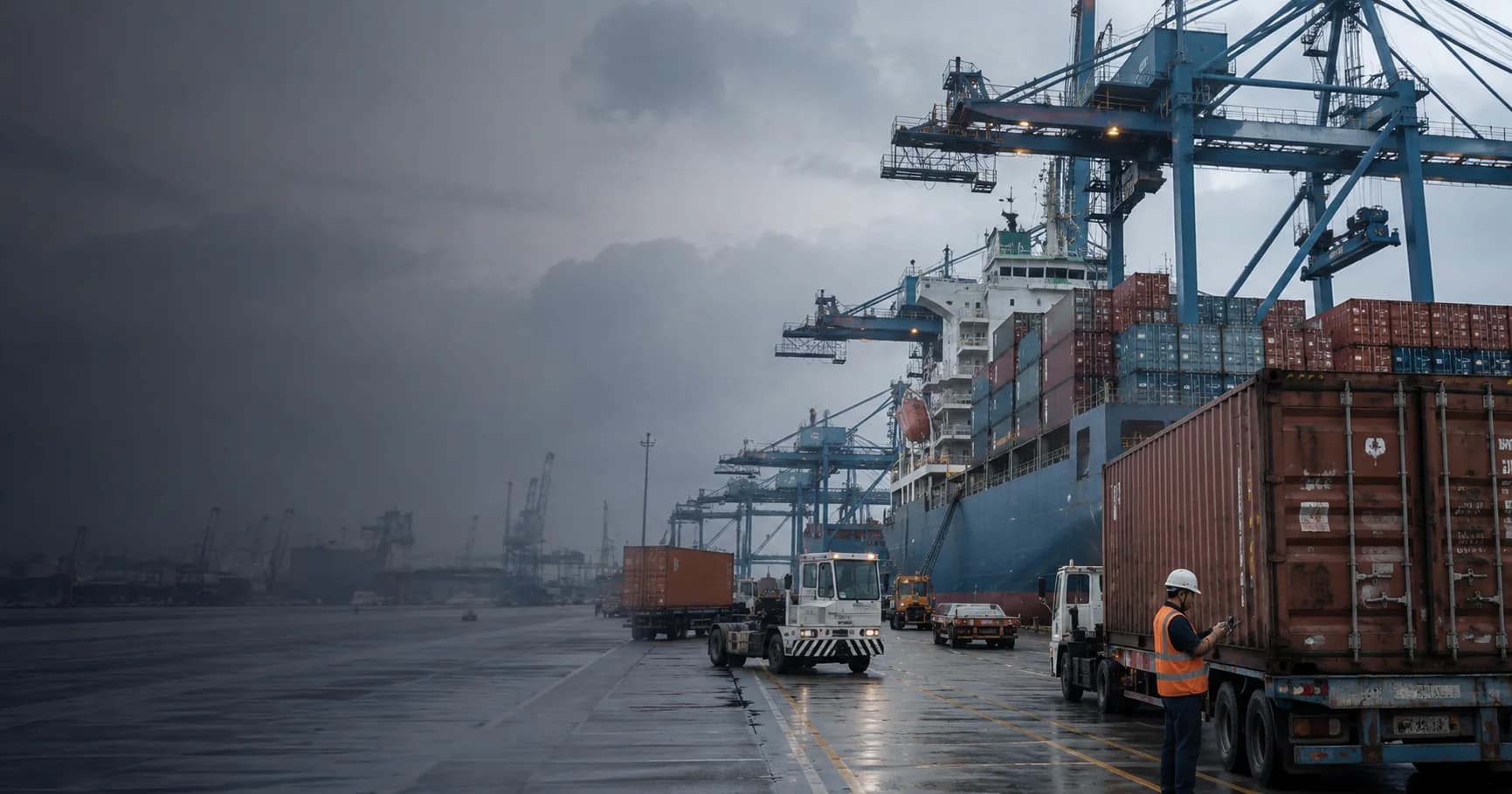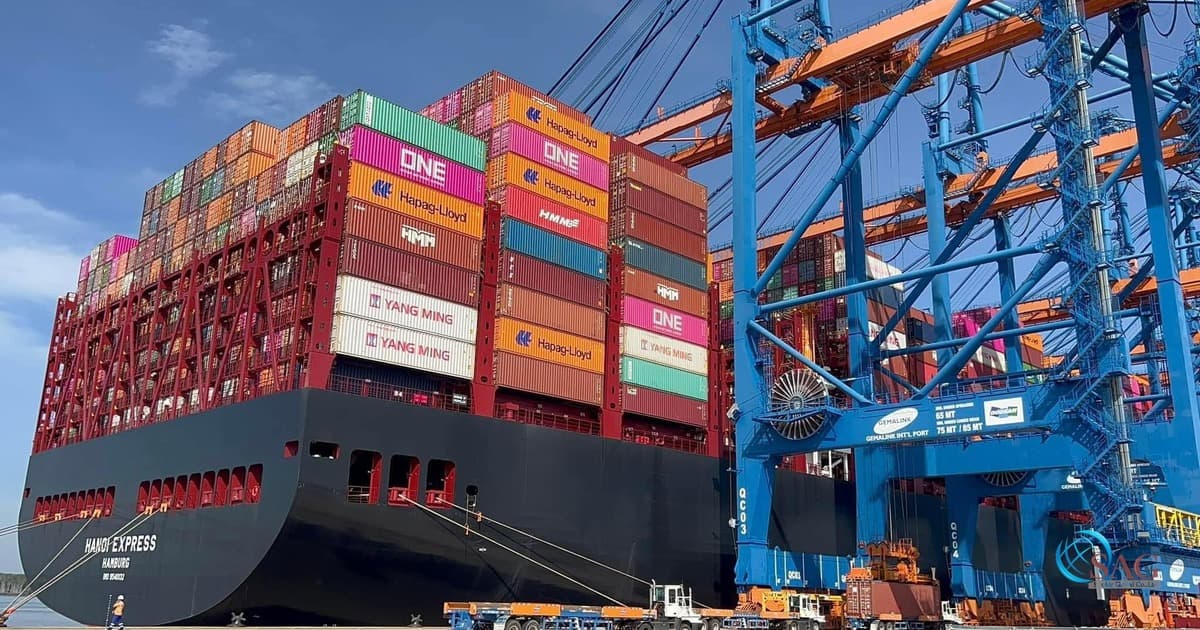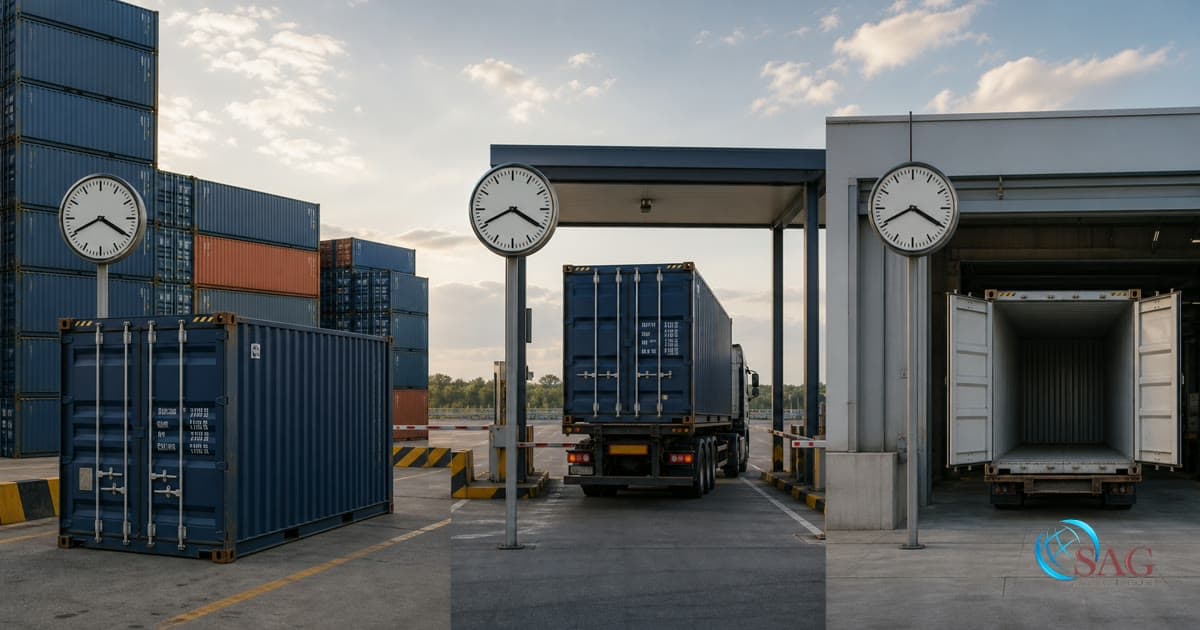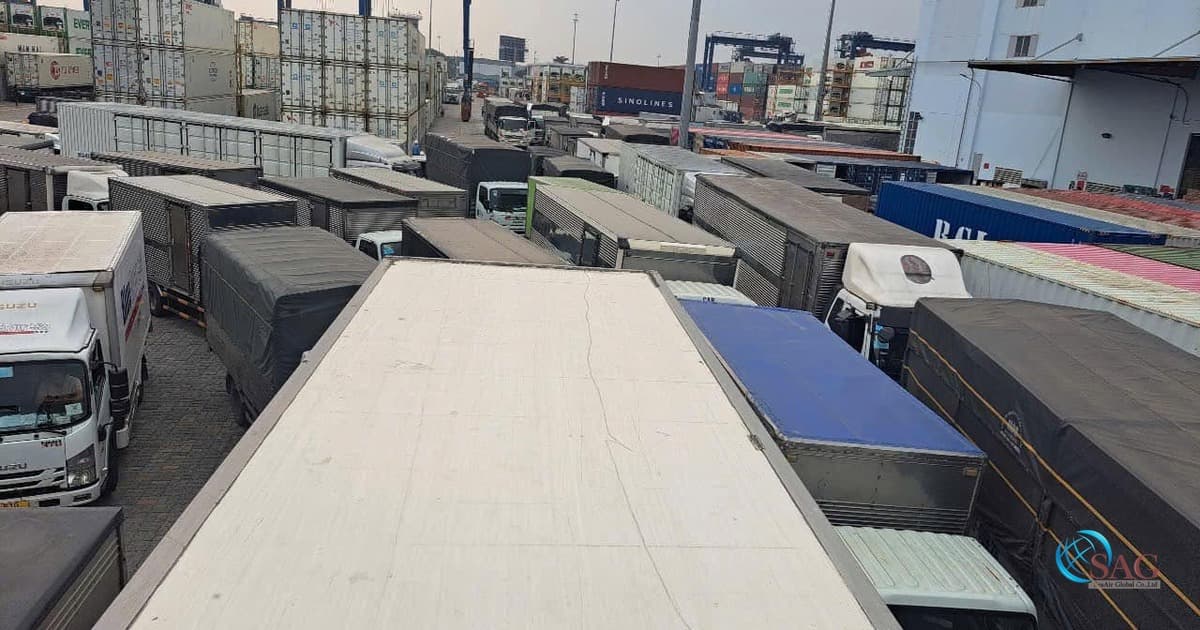
A booking confirmation for a specific sailing does not guarantee that a container will actually be loaded on that vessel. Between the time a booking is made and the vessel's departure, shippers must meet a series of deadlines known as cut-offs. Missing any one of them can lead the carrier or terminal to refuse loading, and the container gets "rolled" to the next available sailing.
DCSA (Digital Container Shipping Association) — an organisation formed by major ocean carriers to standardise container shipping data — defines the cut-off types commonly used across the industry.
The 5 cut-off types to track
| Cut-off type | Definition (per DCSA) | Effect if missed |
|---|---|---|
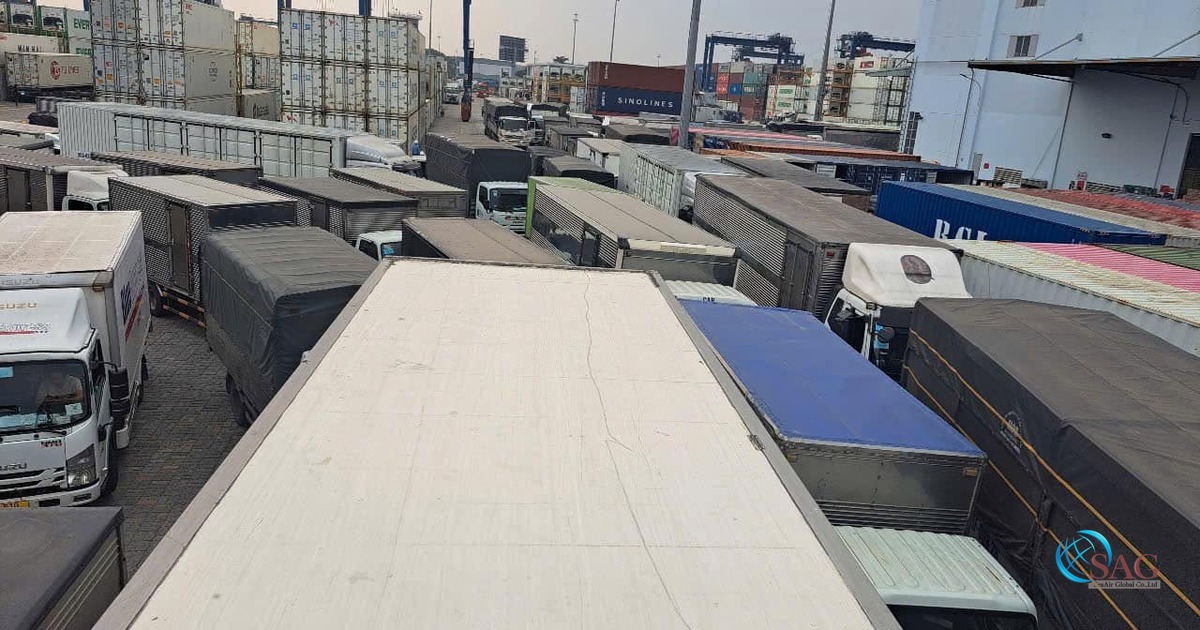
| Gate-in / CY cut-off | The latest time a full container must be delivered to the terminal | The container may not be processed in time for loading |
| Documentation cut-off (SI cut-off) | The latest time to submit shipping instructions and/or customs documents | The carrier cannot finalise the B/L or manifest on time |
| VGM cut-off | The deadline for submitting the container's Verified Gross Mass | The container is not eligible for the stowage plan |
| Dangerous goods cut-off | The deadline for submitting hazardous cargo declarations | Dangerous goods need separate review and acceptance time |
| Reefer cut-off | The latest time a reefer container must be delivered to the terminal | Reefer units need time for plug-in and temperature checks before loading |
The order and spacing between these deadlines vary by carrier, port, and trade lane. In practice, VGM and documentation cut-offs usually fall before the gate-in cut-off, but the exact interval — in hours or days before the planned departure — should be confirmed for each booking rather than assumed from a fixed rule of thumb.
Cut-offs move with the planned departure, not a fixed calendar date
DCSA notes that cut-off times are tied to the planned vessel departure (ETD). When the schedule shifts — due to port delays, routing changes, or weather — cut-offs shift with it. A cut-off given at the time of booking is therefore only an initial estimate; carriers typically recalculate the specific deadline once the booking is confirmed against an actual vessel and voyage.
This is why shippers should not reuse a "standard cut-off" pattern from a previous shipment for a new one — the sailing schedule and cut-offs may already have changed.
Why missing a cut-off costs more than it looks
When a container is rolled, shippers commonly face:
- Delivery delays that affect contractual deadlines, letters of credit, or time-bound payment terms.
- Additional storage or container detention charges while waiting for the next sailing.
- Partial rework of shipping documents if the new sailing changes the vessel name or voyage number.
- For seasonal or event-driven cargo, commercial loss that can far exceed the original cut-off-related cost.
A checklist to avoid a rolled booking
- As soon as a booking is confirmed, record every applicable cut-off: VGM, documentation, gate-in, and any separate deadline for dangerous or reefer cargo.
- Reconfirm these deadlines once the booking is matched to an actual vessel and voyage, since the initial figures are only estimates.
- For VGM under Method 1 or Method 2, plan weighing and data submission with a buffer well before the VGM cut-off.
- Prepare documents (invoice, packing list, certificate of origin if needed) with margin before the documentation cut-off to allow time to correct errors.
- For dangerous goods, confirm the separate cut-off and required file (MSDS, UN number, and so on) before packing.
- Monitor carrier or forwarder schedule-change notices, since cut-offs typically move with a new ETD.
A simple example
A booking is confirmed for an ETD of 20 August. The carrier advises: VGM cut-off 18 August 17:00, documentation cut-off 18 August 12:00, gate-in cut-off 19 August 08:00. If the sailing later shifts to 22 August, these deadlines are usually recalculated — shippers should reconfirm rather than assume the same interval applies.
This illustrates how the deadlines are typically sequenced. It is not a fixed cut-off schedule for every sailing or carrier.
Sources
For help tracking cut-offs and sailing schedules for a specific booking, review SeaAir Global's ocean freight service or request a quotation.