On a draft Bill of Lading, consignee and notify party often appear close together, which can make them look interchangeable. They serve different purposes, and incorrect details can delay document amendments or destination coordination.
The consignee is the party identified to receive the cargo under the document type and applicable conditions. The notify party is the party to be informed when the cargo arrives or action is required. Being named as notify party does not by itself create cargo-delivery rights.
Quick comparison
| Field | Main purpose | What to verify |
|---|---|---|
| Consignee | Identifies the receiving party or the method of designating that party under the B/L structure | Legal name, address, identifiers, B/L type, payment terms and approved instructions |
| Notify party | Identifies who should receive arrival or coordination notices | Name, address, email/phone when required and the contact actually monitoring the shipment |
Required data and amendment procedures vary by carrier, route, country and document type. A carrier support centre is one place to check its instructions; always follow the carrier handling the shipment.
Confirm the consignee against the document type
For a Sea Waybill or straight B/L, the consignee field generally names the designated receiving party. For an order B/L, the wording and document-control process may differ. If a bank, letter of credit or special documentary requirement is involved, finance and the bank should confirm the wording before draft approval.
Do not replace the consignee with an agent, forwarder or buyer merely because that party is managing the shipment. The requester must be authorised, and the change should fit the sales contract, payment arrangement and Shipping Instructions.
Make the notify party an actionable contact
The notify party may be the buyer, agent, forwarder, broker or another designated party. The practical test is whether that party can receive the notice and coordinate the next step promptly.
Before approval, check:
- Is the legal entity name correct and in the required language?
- Is the address complete, including country, city and postal code where needed?
- Does the carrier require an email, telephone number or identifier?
- Is the named party actively monitoring the shipment and aware of its role?
- If the draft says “same as consignee”, are the two parties truly the same?
Six common draft errors
- Copying the consignee into notify party when another contact handles arrival.
- Using a trading name instead of the agreed legal name.
- Omitting an address or identifier required by the carrier/destination process.
- Naming the wrong branch, so notices reach the wrong team.
- Changing the consignee without rechecking payment terms and B/L type.
- Correcting one line while leaving conflicting data elsewhere in the draft.
Confirmation template
Please confirm the draft B/L for booking [reference]: Consignee is [legal name, address and identifier where applicable]; Notify Party is [legal name, address and contact]. Please confirm that both parties match their intended roles, document type and payment terms. If an amendment is required, state the current field, replacement text, supporting source and processing deadline.
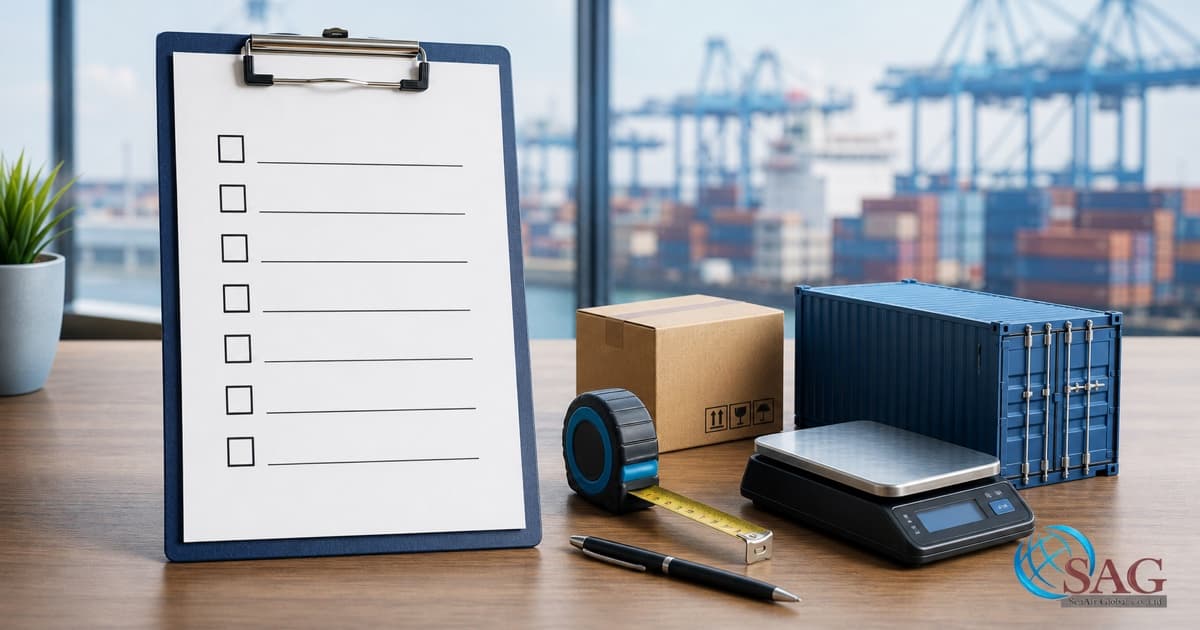
After any amendment, review the complete draft — especially shipper, consignee, notify party, B/L reference, ports and cargo description — rather than checking only the changed line. See the ten-point draft B/L checklist.
SeaAir Global can support transport-document review within the agreed service scope. Send a request with the booking, draft B/L, Shipping Instructions and approval deadline.