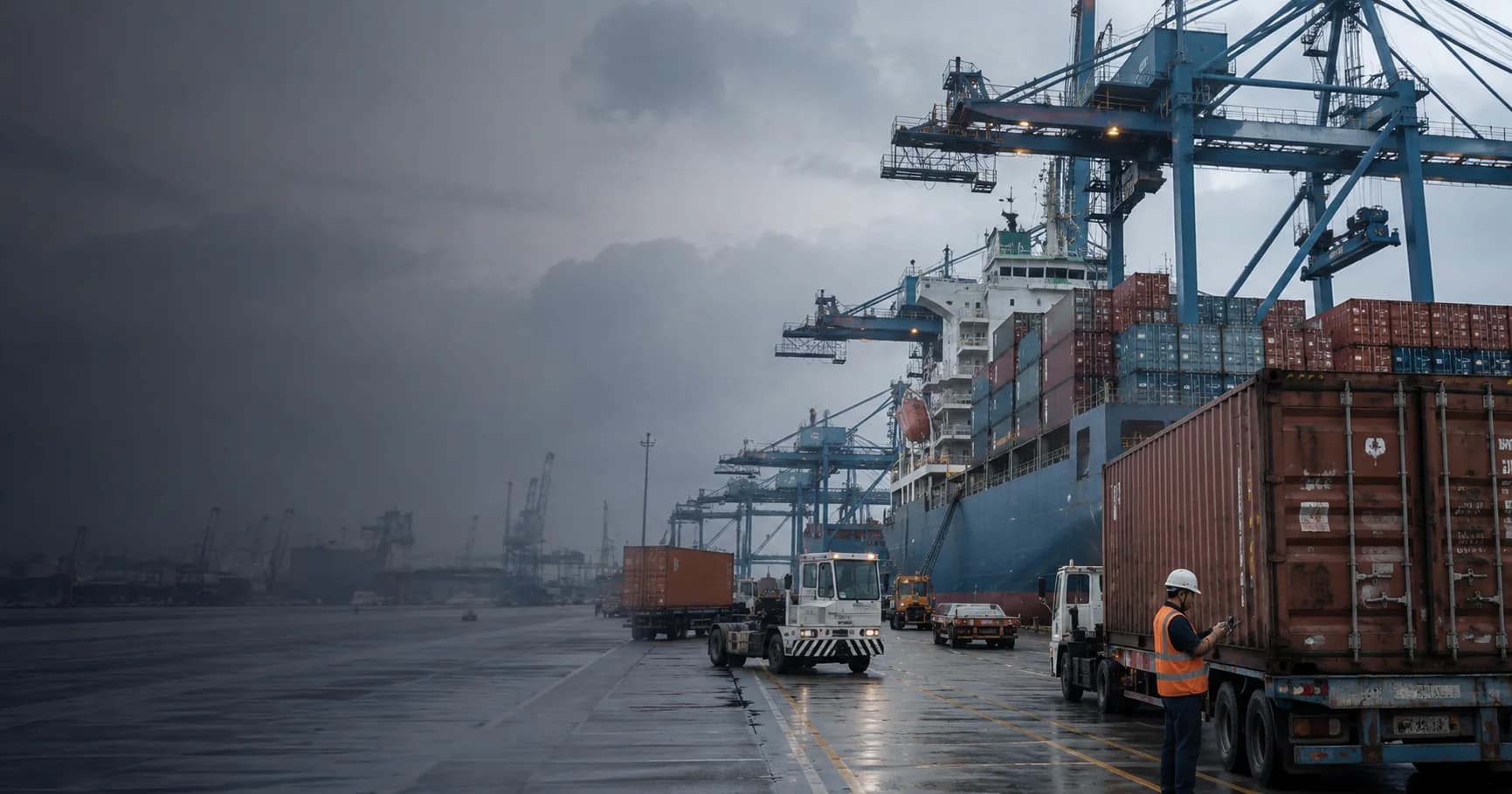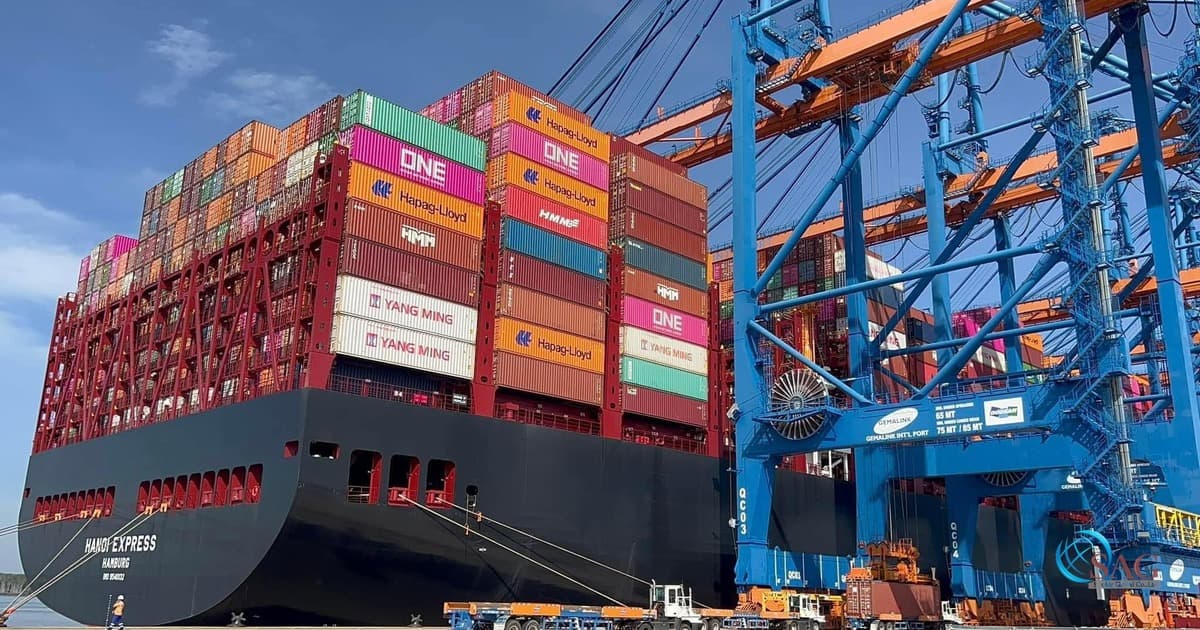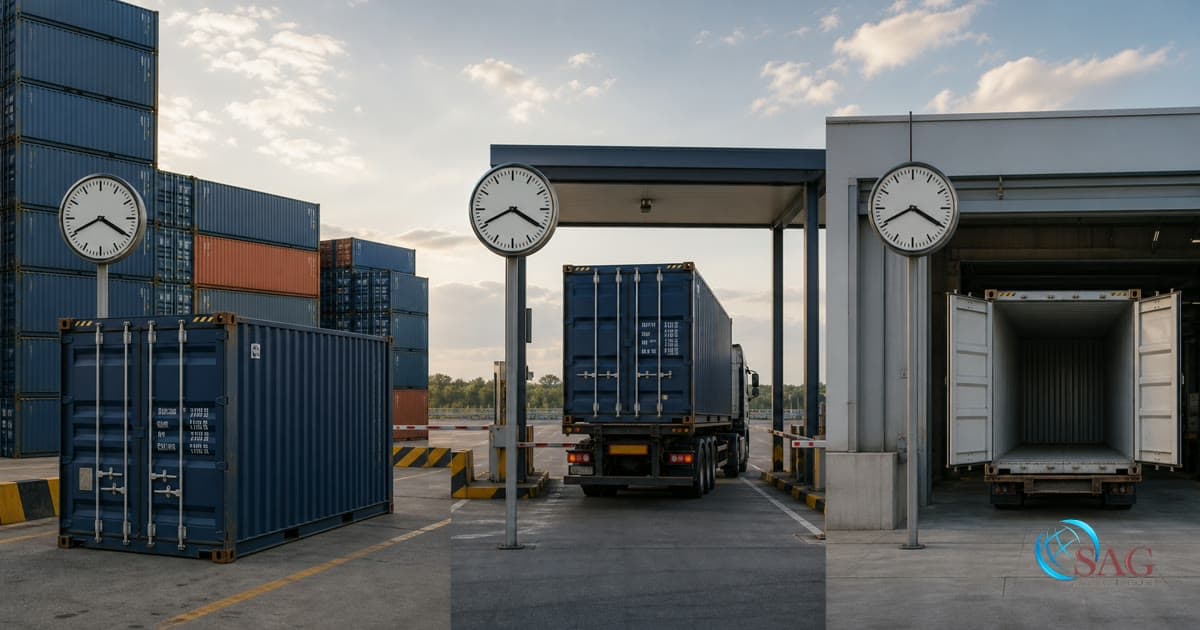
Demurrage, detention, and storage all relate to containers remaining in a location or in a customer’s control longer than planned, but they are not necessarily charged by the same party or applied to the same stage.
The practical task is to place each charge on the container timeline, verify free time in the actual booking or tariff, and identify who controls the next milestone.
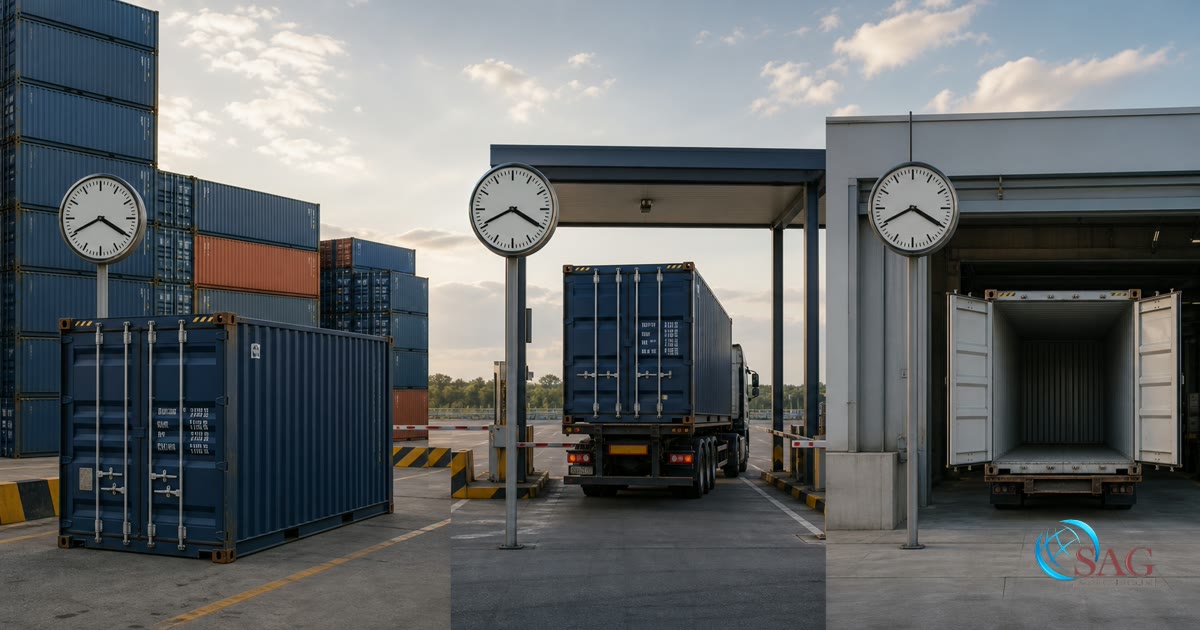
A quick comparison
| Charge | Common focus | Typical import period |
|---|---|---|
| Demurrage | Carrier equipment/container beyond free time while in the terminal | From discharge until full-container gate-out, subject to tariff |
| Detention | Carrier equipment kept outside the terminal/depot beyond free time | From full gate-out until empty return |
| Storage | Ground/quay space occupied by a container at the terminal | Under the applicable terminal or published tariff |
CMA CGM’s general terms define demurrage as a charge connected with carrier equipment kept beyond free time, detention as a charge for equipment held outside the port, terminal, or depot beyond free time, and storage as costs connected with containers staying on the ground. Its terms also state that D&D does not automatically include storage unless the specific tariff says otherwise.
Terminology and billing structures can vary by carrier, terminal, country, and tariff. This is therefore an operational map, not a substitute for the conditions attached to a particular booking.
Import timeline
- The container is discharged into the terminal.
- The applicable terminal/equipment free-time clock starts.
- Documents, customs clearance, and pickup are completed.
- The full container gates out.
- Cargo is delivered and unloaded.
- The empty container is returned to the assigned location.
If the container remains inside the terminal too long, demurrage and/or storage may apply depending on the tariff. After gate-out, detention may apply if the empty equipment is not returned in time.
Export timeline
For exports, risk can start when the empty container is collected. Holding it too long before full gate-in can create export detention. Gating a full container in too early, changing the sailing, or missing the loading plan can create storage or demurrage exposure under the applicable rules.
“Earlier is always safer” is therefore not a complete plan. Empty pickup, stuffing, VGM, customs cut-off, CY cut-off, and vessel schedule should be planned together.
Free time is not one universal number
It can vary by carrier, terminal, import/export direction, equipment type, service contract, spot terms, calendar-day versus working-day rules, holidays, and whether demurrage and detention are separate or combined.
Ask for written confirmation of the number of days, counting convention, and empty-return location for the actual booking rather than reusing an assumption from a previous shipment.
Import checklist
Before ETA
- Confirm arrival notice and bill-of-lading release status.
- Prepare invoice, packing list, C/O, permits, and specialist inspection documents.
- Check whether carrier free time and terminal storage are separate.
- Arrange customs, truck, pickup slot, and receiving warehouse.
- Confirm the empty-return depot and deadline.
After discharge
- Track actual availability and any customs or carrier hold.
- Do not wait until the final free day to secure trucking.
- Coordinate labour and equipment if physical inspection is required.
- Keep system records, emails, and documents when an external constraint occurs.
After gate-out
- Confirm unloading before the truck leaves the port.
- Check dock access, forklift availability, traffic restrictions, and receiving hours.
- Plan empty return as soon as the unloading slot is fixed.
- Retain the empty-return receipt/EIR and inspect equipment condition.
Ask the carrier or forwarder in writing if free days are unclear, D&D is combined, storage is billed separately, the return depot changes, a hold prevents movement, a depot refuses the empty, or invoice dates do not match the actual milestones.
Sources
SeaAir Global can coordinate sea freight, inland trucking, and customs within an agreed scope. Send the shipment details to review the operational timeline.