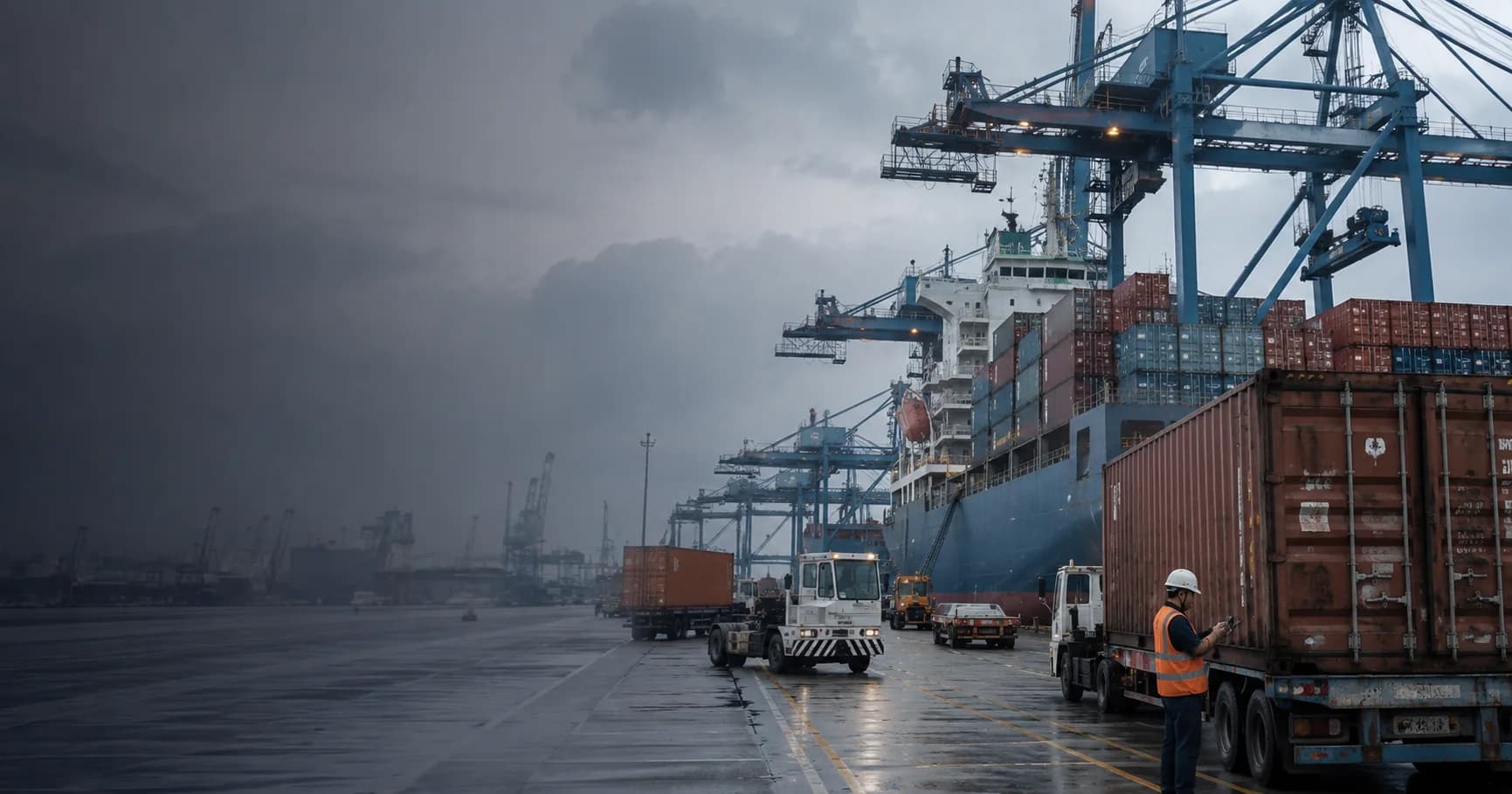
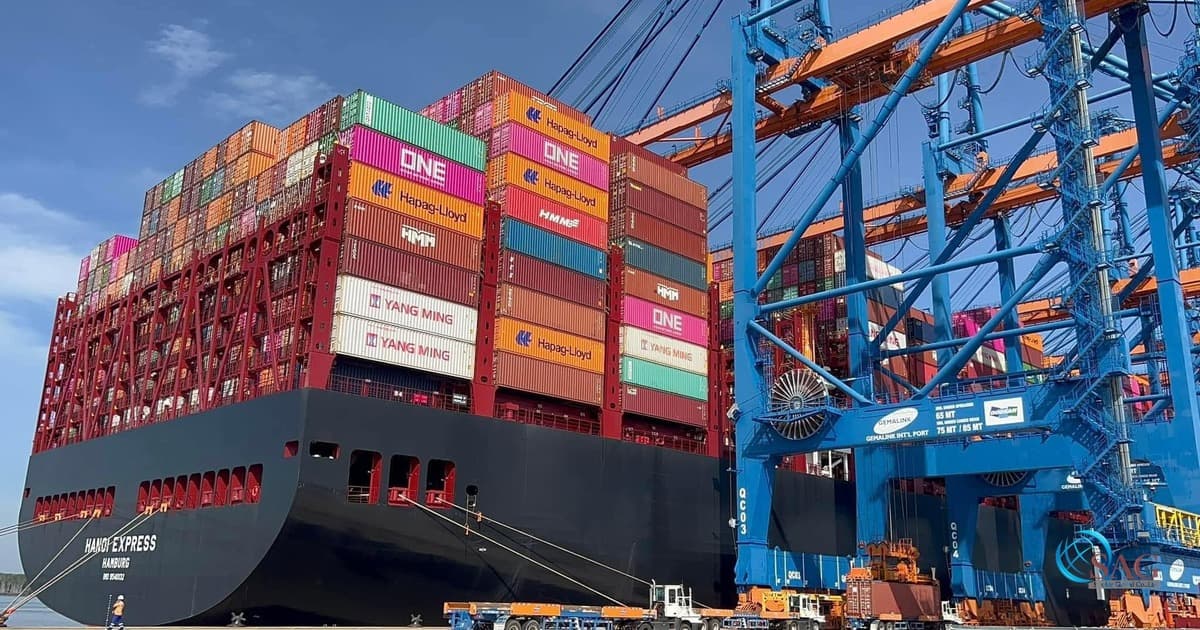
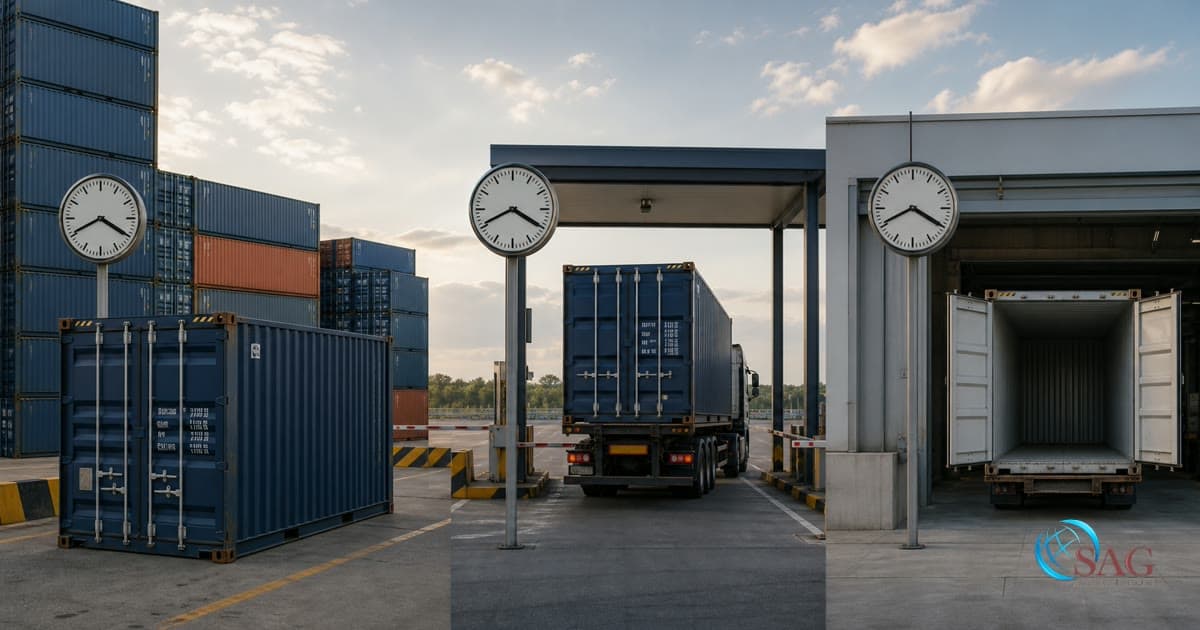
Businesses often use the broad search phrase importing used machinery and equipment. For this shipment, however, the accurate description is a used specialized motor vehicle. Correct classification from the outset helps align the documents, transport plan and registration-inspection process.
This case follows an actual shipment from Tianjin Port, China to Cat Lai Port, Vietnam, followed by the destination procedures.
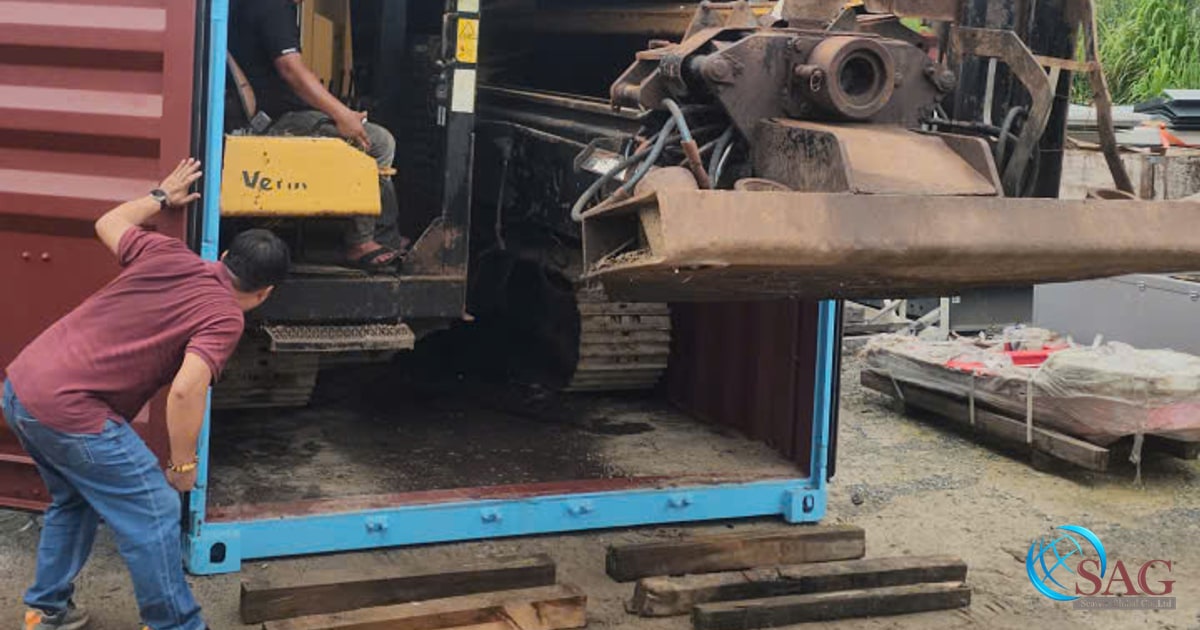
Part 1: The ocean-freight leg
Part 1 shows the preparation, container loading and ocean movement from China to Vietnam. Cargo with unusual dimensions, weight and structure requires advance planning to protect the vehicle and make unloading practical at destination.
Part 2: What happens after arrival in Vietnam
Arrival at the port is only one milestone. The operational team must then coordinate customs documentation, the registered storage location, lifting equipment and registration inspection.
Six main steps
- Review documents and import conditions. Cross-check the contract, invoice, packing list, bill of lading and technical documents against the actual vehicle. Identification data such as brand, model, production year, chassis number, engine number and used condition should be consistent.
- Submit the customs declaration. Use the appropriate commodity code and customs procedure, with data matching the commercial, transport and technical records.
- Transfer the cargo to its storage location. Once permitted by Customs, move the shipment to the registered storage site while maintaining the required cargo control.
- Unload at the storage location. Check container access, securing points, centre of gravity, clearances and vehicle condition before using the planned towing, crane or lifting equipment.
- Complete registration inspection. The vehicle undergoes the applicable technical-safety and environmental-quality inspection. The exact procedure depends on its official classification.
- Complete customs clearance. After the required inspection result and other conditions are met, submit the remaining documents and retain the complete shipment file.
Practical points for used vehicles
- Confirm the correct goods description and vehicle classification before shipment.
- Reconcile the model, production year, chassis number, engine number and technical records.
- Assess actual condition and mobility before selecting the loading and unloading method.
- Prepare a storage location suitable for handling and inspection.
- Allow time for customs, registration inspection and possible supplementary requests.
- Proceed only after the responsible authority has issued the relevant permission or result.
Requirements may vary with vehicle type, commodity code, intended use, documentation and the rules in effect at the time of import. Each shipment should be checked with Customs, the registration authority and the relevant specialists.
See the Vietnam Register administrative procedure for imported specialized machinery vehicles.
For shipment planning and import formalities, see SeaAir Global's customs brokerage service or request a consultation.