Many disputes between international buyers and sellers do not start with product quality. They start with a misunderstanding of who pays for what, and where risk transfers along the shipping journey. The Incoterms® rules published by the ICC (International Chamber of Commerce), currently Incoterms 2020, exist specifically to solve this.
Incoterms 2020 has 11 rules, split into two groups: rules for any mode of transport (including multimodal, air, and road), and rules limited to sea and inland waterway transport.
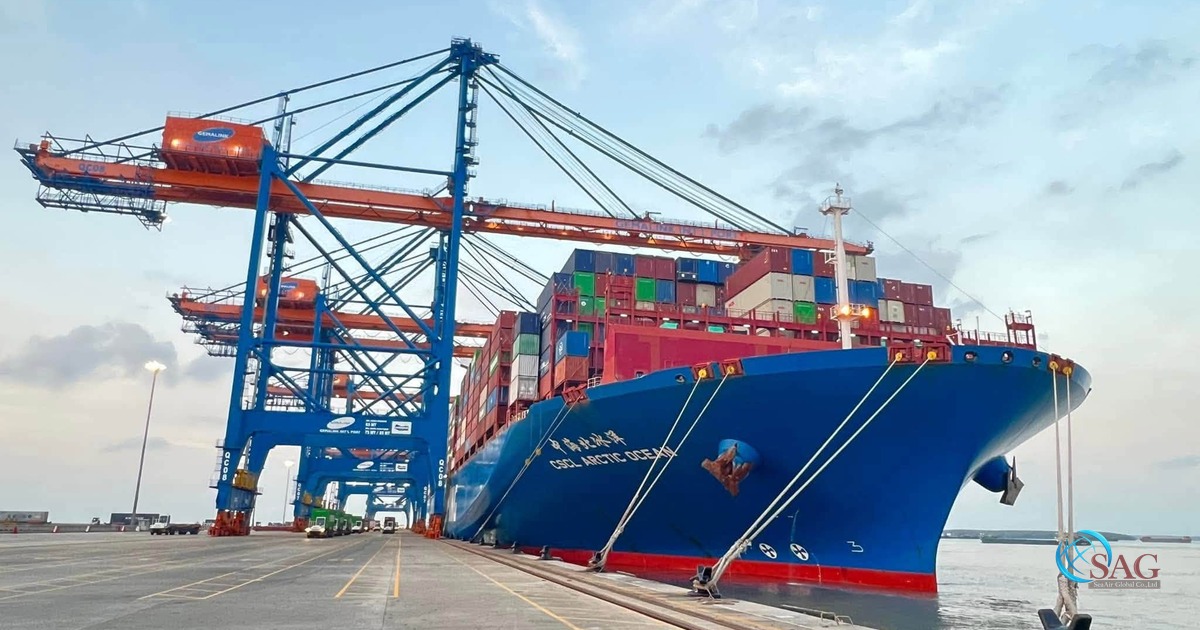
The 11 Incoterms 2020 rules
| Group | Code | Full name | Risk transfer point (summary) |
|---|---|---|---|
| Any mode | EXW | Ex Works | At the seller's premises |
| Any mode | FCA | Free Carrier | When goods are handed to the carrier nominated by the buyer |
| Any mode | CPT | Carriage Paid To | When goods are handed to the first carrier (seller pays freight to destination) |
| Any mode | CIP | Carriage and Insurance Paid To | Same as CPT, plus seller must obtain a higher level of insurance |
| Any mode | DAP | Delivered at Place | When goods arrive ready for unloading at the named place |
| Any mode | DPU | Delivered at Place Unloaded | When goods have been unloaded at the named place |
| Any mode | DDP | Delivered Duty Paid | When goods arrive at the named place, import cleared |
| Sea/inland waterway only | FAS | Free Alongside Ship | When goods are placed alongside the vessel at the port of shipment |
| Sea/inland waterway only | FOB | Free on Board | When goods are loaded on board the vessel |
| Sea/inland waterway only | CFR | Cost and Freight | Same as FOB, plus seller pays ocean freight |
| Sea/inland waterway only | CIF | Cost, Insurance and Freight | Same as CFR, plus seller must obtain basic insurance |
This table is a summary of the risk transfer point only. ICC states that every cost associated with a given rule appears at article A9/B9 of that rule in the Incoterms 2020 text, so contracts should reference the official publication directly rather than relying on a summary alone.
Incoterms do not replace the carriage contract, insurance, or payment terms
A common misunderstanding is treating Incoterms as the entire trade contract. In practice, Incoterms only settle three things between buyer and seller:
- Who arranges carriage, and for which leg of the journey.
- Who bears which cost, and up to what point.
- Where risk of loss or damage transfers from seller to buyer.
Incoterms do not determine the transfer of ownership, the payment method (L/C, T/T, D/P, and so on), the governing law of the contract, or dispute resolution. Those elements still need to be agreed separately in the sale contract.
Why container shippers are often advised to avoid FOB/CIF
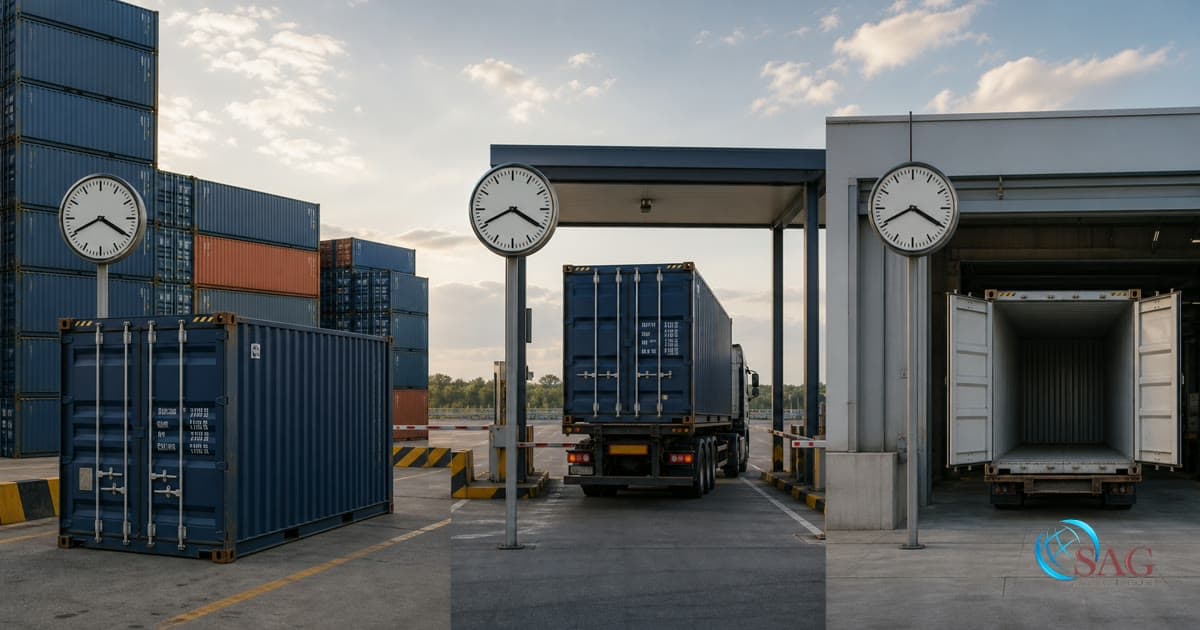
FOB, CFR, and CIF were originally designed for conventional bulk cargo, with risk transferring when goods pass the ship's rail or are loaded on board at the port of shipment. For containerized cargo, goods are typically handed to the carrier or a container yard operator days before the vessel arrives, which makes the FOB/CIF transfer point operationally ambiguous.
For this reason, guidance on using Incoterms commonly recommends that container shippers use FCA (instead of FOB), CPT (instead of CFR), or CIP (instead of CIF) — rules whose transfer point is tied to handing goods to the carrier, which better matches how containers are actually packed and delivered.
A simple example: FOB versus DAP
A 40-foot container shipment from Ho Chi Minh City to Rotterdam.
>
Under FOB Cat Lai: the seller covers cost up to loading on board at Cat Lai; the buyer covers ocean freight, insurance (if any), destination port charges, and import customs clearance.
>
Under DAP at the buyer's warehouse in Rotterdam: the seller covers cost up to the point goods are ready for unloading at the buyer's warehouse, including ocean freight and inland transport in the Netherlands; the buyer only covers unloading and import clearance.
This illustrates cost allocation only. It is not a rate quotation or a service commitment.
A checklist for choosing an Incoterms rule
- Confirm the actual transport mode used (container, bulk, multimodal) to avoid applying a sea-only rule incorrectly.
- State the exact named place after the Incoterms code, for example "FCA Cat Lai Port" rather than "FCA" alone.
- Confirm who is responsible for export and import customs clearance, particularly under DDP and EXW.
- If using CIP or CIF, confirm whether the Incoterms 2020 minimum insurance level is sufficient or additional cover is needed.
- Do not use Incoterms as a substitute for payment terms, transfer of title, or governing law — agree these separately in the contract.
- Reference the official ICC Incoterms 2020 text when drafting contracts, rather than relying only on a summary table found online.
Sources
For help choosing the right Incoterms rule for your lane and transport mode, review SeaAir Global's solution consulting service or send your shipment details for support.