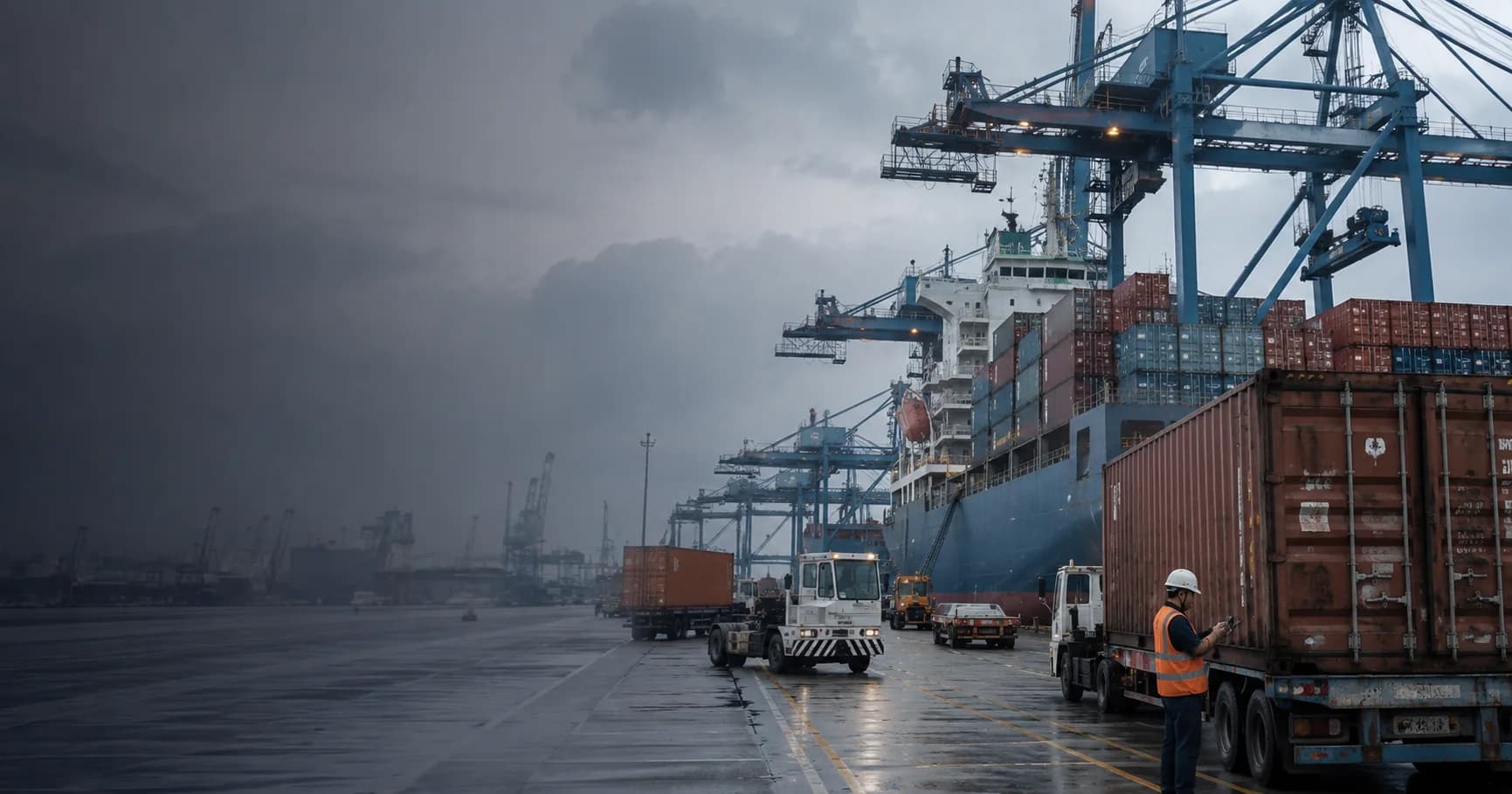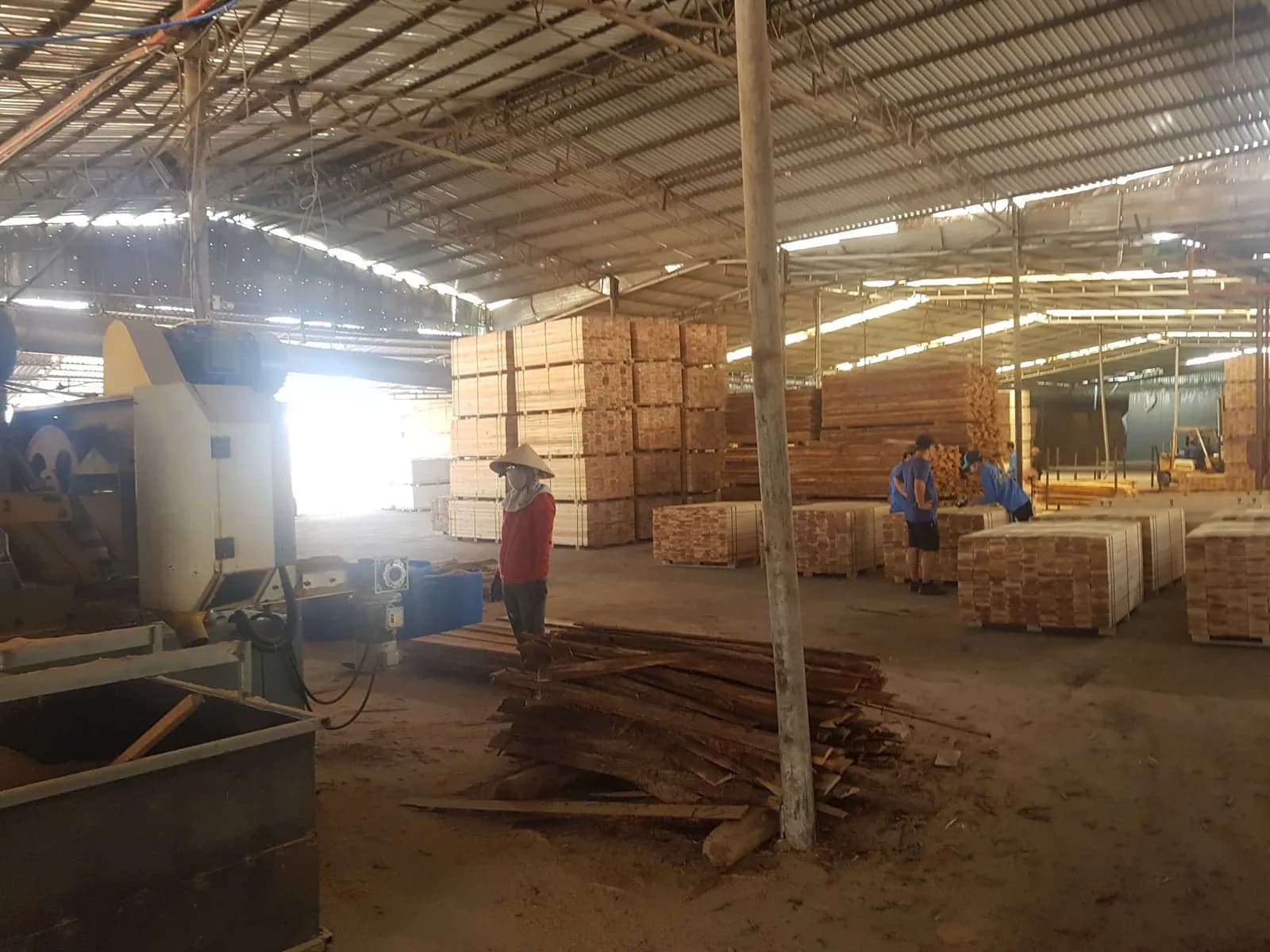
A year-end shipment plan should not stop at “booking confirmed”. Shippers need one coordinated view of sailing schedules, document cut-offs, trucking, destination receiving capacity and production plans ahead of Lunar New Year 2027.
In its Asia Pacific market update dated 6 November 2026, Maersk reported improving conditions at major East Asian ports after seasonal weather disruption, while network schedules were still being adjusted. It also noted that year-end activity may change inland-transport requirements and equipment availability on selected lanes. Lunar New Year falls on 6 February 2027, creating a shorter preparation window than the previous year.
This is not a rate forecast for every lane. It is an operational checklist that assigns owners and dates to a commercial plan.

1. Set the cargo-ready date from actual handover readiness
The cargo-ready date must include production completion, quality checks, packing, labelling and document preparation. Using only the factory's production-finish date can leave a confirmed booking without cargo ready for terminal cut-off.
Confirm three dates: production complete, packing complete and truck collection ready. Assign an owner to update each date when conditions change.
2. Review the complete sailing, not only the first ETD
For transshipment services, check the connecting port, expected connection time and contingency if the mother vessel changes. Two services with similar first ETDs can have very different connection risk and schedule stability.
Before confirmation, request:
- vessel/voyage and transshipment port, if applicable;
- container, SI and VGM cut-offs;
- expected ETA with an appropriate delivery buffer;
- an alternative if the sailing is postponed or a port call is omitted.
3. Put every cut-off in one handover sheet
SI, VGM, terminal delivery and customs should not sit in separate message threads. Record the Vietnam time, owner and status of each milestone.
| Milestone | Required data | Owner |
|---|---|---|
| SI cut-off | Draft B/L details, parties and cargo description | Documentation/export team |
| VGM cut-off | Verified weight and weighing method | Warehouse/loading team |
| CY cut-off | Container, seal and truck plan | Operations/forwarder |
| Customs | Declaration status and supporting documents | Customs broker |
4. Reserve trucking and suitable equipment early
Year-end activity can create local pressure on trucks, chassis, empty containers and depot turn times. Heavy cargo, reefer cargo, machinery and special equipment need early notice with weight, dimensions, pickup and empty-return requirements.
If production timing can still move, agree on a collection window and rescheduling conditions instead of waiting until loading day to source a truck.
5. Confirm destination receiving hours and Last Free Day
Cargo can arrive on the expected date and still incur cost when the destination warehouse is closed, a truck appointment is unavailable or customs clearance is not ready. Before departure, the consignee should know:
- holiday and operating hours for the warehouse, terminal and agent;
- cargo availability and Last Free Day;
- who owns clearance, payment and delivery-order follow-up;
- the empty-return plan and nominated depot.
6. Split cargo by urgency instead of using one mode for everything
Urgent replenishment, line-stopping parts or commercial samples do not always need to move with the main lot. A small priority portion may move by air while base inventory moves by ocean. Compare delivery deadline, cargo value, stockout cost and customs readiness — not freight alone.
7. Plan backwards from Lunar New Year 2027
Lunar New Year begins on 6 February 2027. Companies sourcing from China or relying on Chinese components should ask suppliers now for order cut-offs, final loading dates and production-restart plans. Recovery normally varies by factory rather than returning to full capacity immediately after the holiday.
Priority action table
| Timing | Confirm |
|---|---|
| This week | Volume forecast, cargo-ready date, primary and fallback routing |
| Before booking | Cut-offs, equipment, trucking, documents and destination needs |
| Before departure | Draft B/L, VGM, customs, consignee data and receiving plan |
| In transit | Updated ETA, Last Free Day, truck appointment and empty return |
| Before LNY 2027 | Factory closures, priority orders and safety stock |
Every lane, carrier and shipment has different operating conditions. Recheck the live booking, cut-offs, surcharges and document requirements before committing a delivery date to a customer.
SeaAir Global can review routing, schedules, documentation and delivery planning for individual shipments. Request a quote with origin, destination, cargo, volume, cargo-ready date and required delivery date.