For machinery cargo, dimensions and weight sent by message are rarely enough to finalise a workable plan. One missed detail — a low doorway, weak ground, no crane-outrigger area or an offset centre of gravity — can change the truck, lifting equipment and loading method.
A site survey is not extra paperwork. It converts scattered information into a plan that can actually be executed at the factory.
Eight data groups to confirm
| Group | Record |
|---|---|
| Equipment | Item count, final dimensions and weight per package |
| Centre of gravity | COG position, lifting/lashing points and fragile areas |
| Condition | Loose parts, remaining fluids and surfaces requiring protection |
| Access | Door clearance, turning radius, slopes, obstacles and overhead cables |
| Working ground | Capacity, levelness and crane-outrigger locations |
| Handling | Available forklift/crane capacity and suitable lifting accessories |
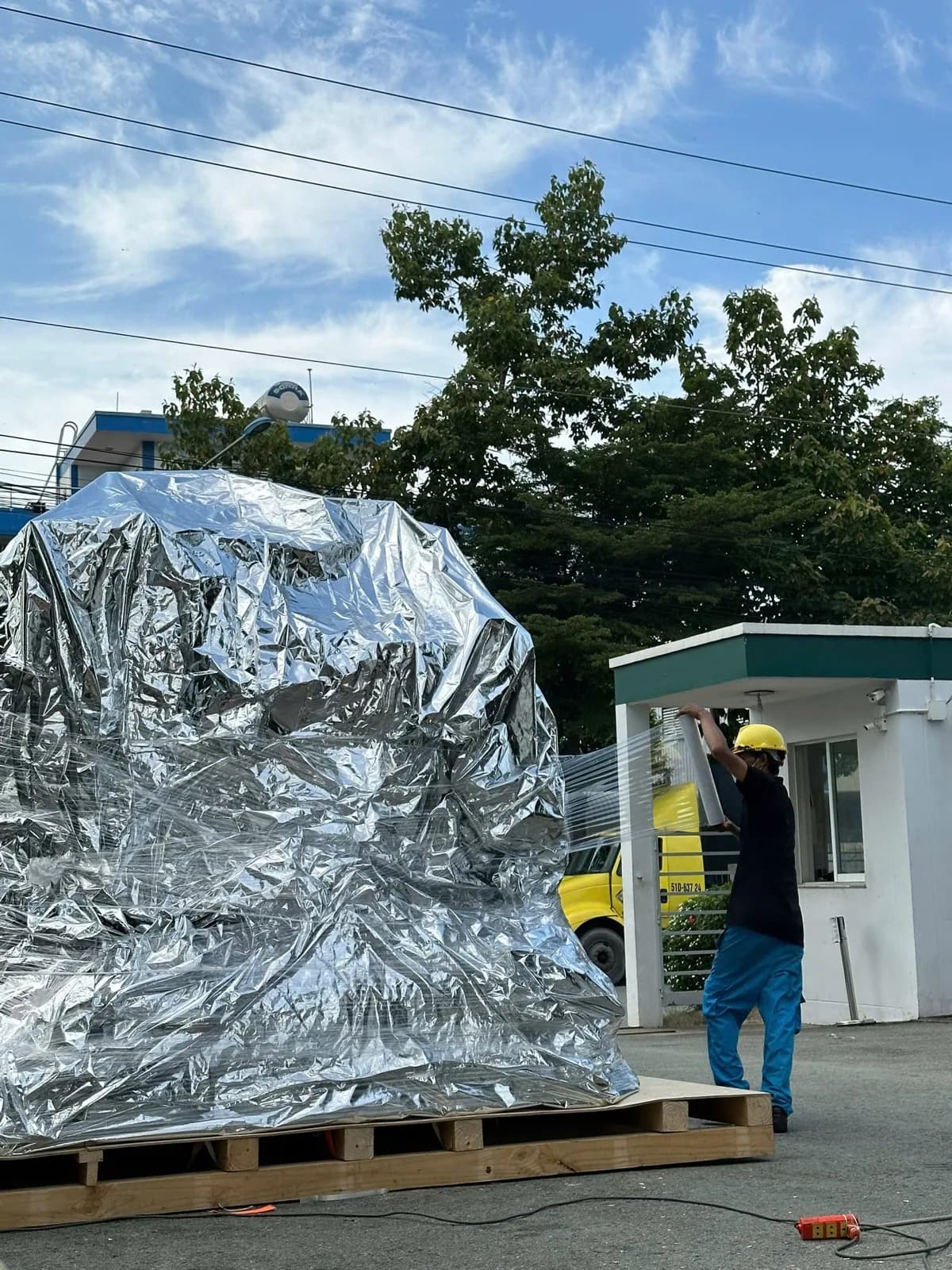
| Packing | Load-bearing base, moisture protection, corner/control protection and removable parts |
| Journey | Pickup/delivery points, truck, intended container, timing and route restrictions |
Measure the final transport condition
Booking dimensions should reflect the machine after dismantling and packing, including the base, frame, protective layers and protrusions. State clearly whether the weight covers the bare machine or the complete packed unit.
Where no centre-of-gravity drawing exists, record the structure, heavy components and manufacturer-designated lifting points. Do not assume that a lashing point is suitable for lifting.
Walk the complete cargo path
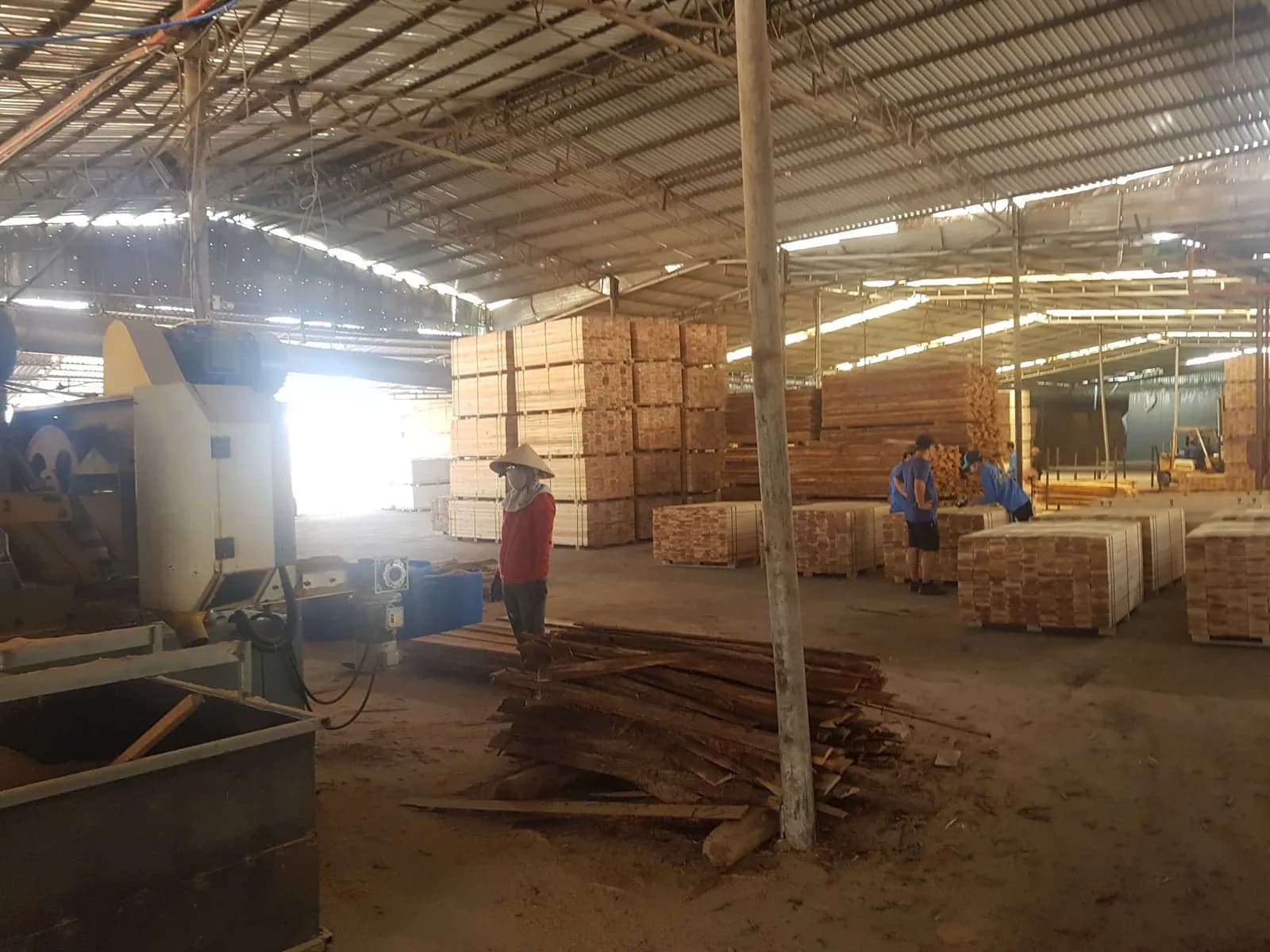
Follow the unit from its installed position through the factory doorway, manoeuvring area and lifting point to the exit gate. Measure the narrowest real clearance and assess the ground where forklifts, trailers or cranes will operate.
The IMO/ILO/UNECE CTU Code stresses planning, load distribution and securing appropriate to the cargo and transport unit. A site checklist provides the input for that work; it does not replace a lifting plan or engineering calculation where specialist review is required.
Survey handover pack
- confirmed dimensions and weight for every packed unit;
- overview and four-side cargo photos;
- close-ups of lifting, lashing and sensitive areas;
- access sketch, equipment positions and constraints;
- intended dismantling, packing, lifting and transport method;
- responsible factory contact and cargo-ready time.
See SeaAir's real export-machinery packing case. For a shipment-specific plan, send a request with photos, drawings, dimensions, weights and the survey address.